
About All Tours To Machu Picchu Tours4-Day Tours5-Day Tours3-Day Tours2-Day ToursPremium Tours Directions Hours & Fees
Find Tours 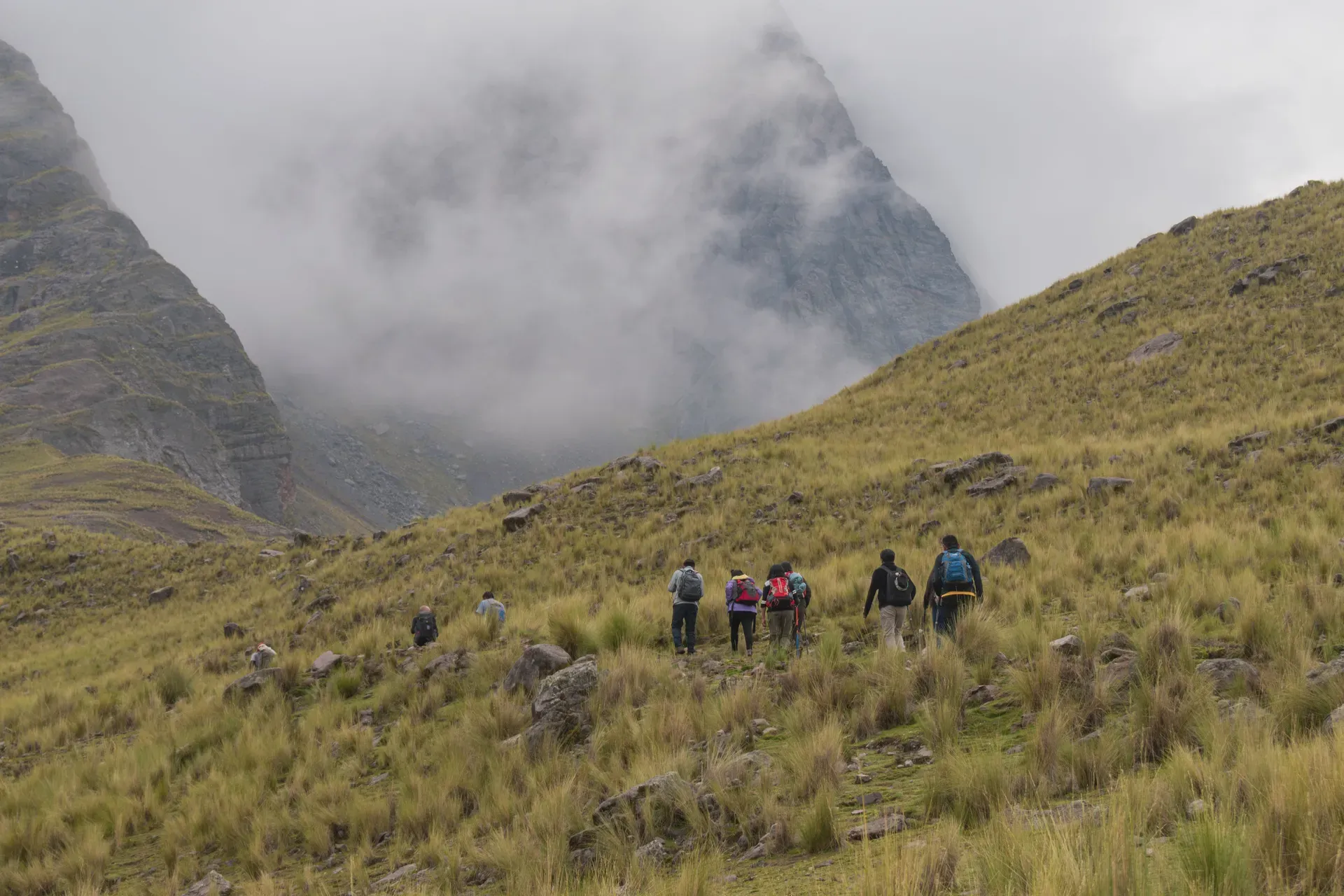
Spanning 74 kilometers through the Peruvian Andes, the Salkantay Trek takes hikers from a 4,630-meter glacial pass down to 1,550-meter tropical cloud forests. This demanding five-day route serves as a spectacular alternative to the classic Inca Trail, culminating at the ancient ruins of Machu Picchu.
Find Guided ToursThe Salkantay Trek is a rugged, multi-day hiking route in the Peruvian Andes, located 60 to 100 kilometers west-northwest of Cusco. Spanning approximately 60 to 78 kilometers, it serves as a physically demanding alternative to the classic Inca Trail to Machu Picchu. The route crosses diverse ecosystems, taking hikers from high-altitude Andean glaciers down to tropical cloud forests at 1,550 meters above sea level.
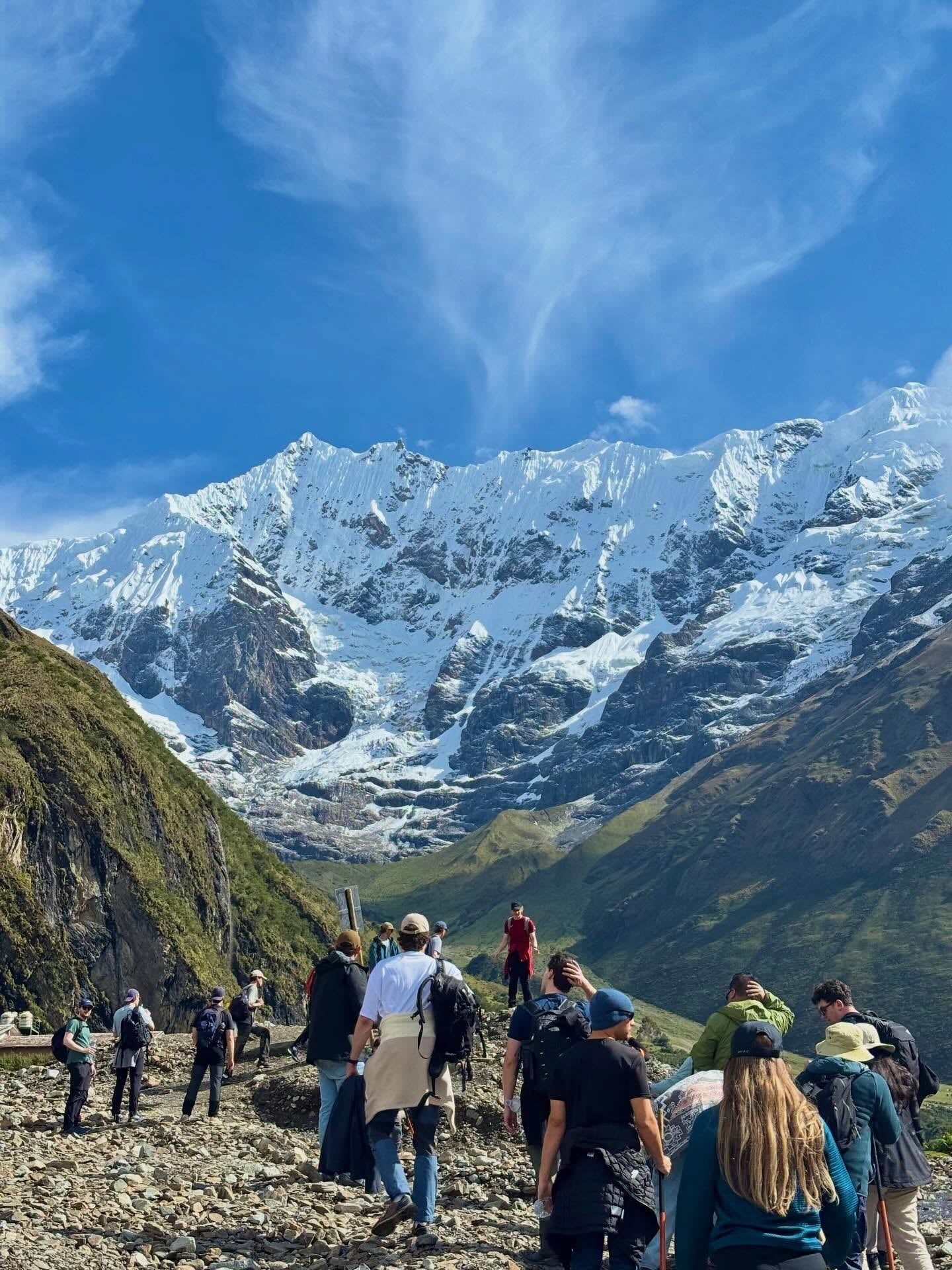
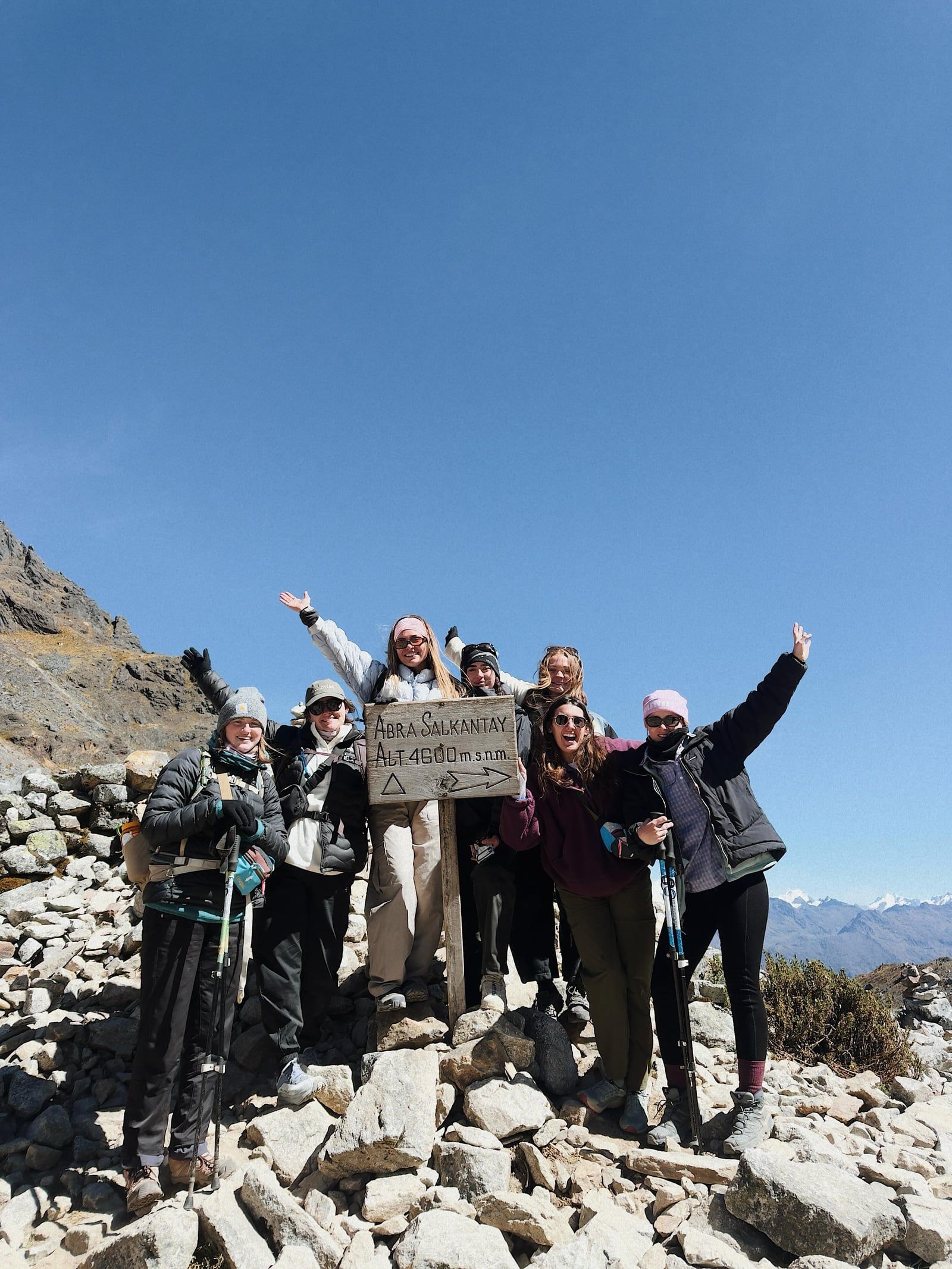
National Geographic Adventure Travel magazine recognizes the trek as one of the 25 best adventures in the world. The trail requires physical endurance, reaching its highest point at the Salkantay Pass at an elevation of 4,630 meters (15,190 feet). From this vantage point, hikers stand directly beneath Salkantay Mountain. At 6,271 meters (20,574 feet), Salkantay is the highest peak in the Vilcabamba mountain range and the 12th-highest mountain in Peru, featuring a topographic prominence of 2,540 meters.
The trail traces its origins back to the ancient Inca civilization. They constructed this pathway as part of a vast network connecting the Andean highlands with the lowland regions of their empire. Historically, it functioned as a vital trade and pilgrimage route. The Inca revered Salkantay Mountain as an 'APU,' a sacred protector deity believed to control weather and fertility across the region.
While the Inca utilized the mountain passes for centuries, the peak of Salkantay remained unclimbed until the mid-20th century. A French-American expedition successfully summited the mountain for the first time on August 4, 1952. Today, the mountain's high avalanche rate and unpredictable weather continue to command respect from modern hikers navigating the historic trails below.
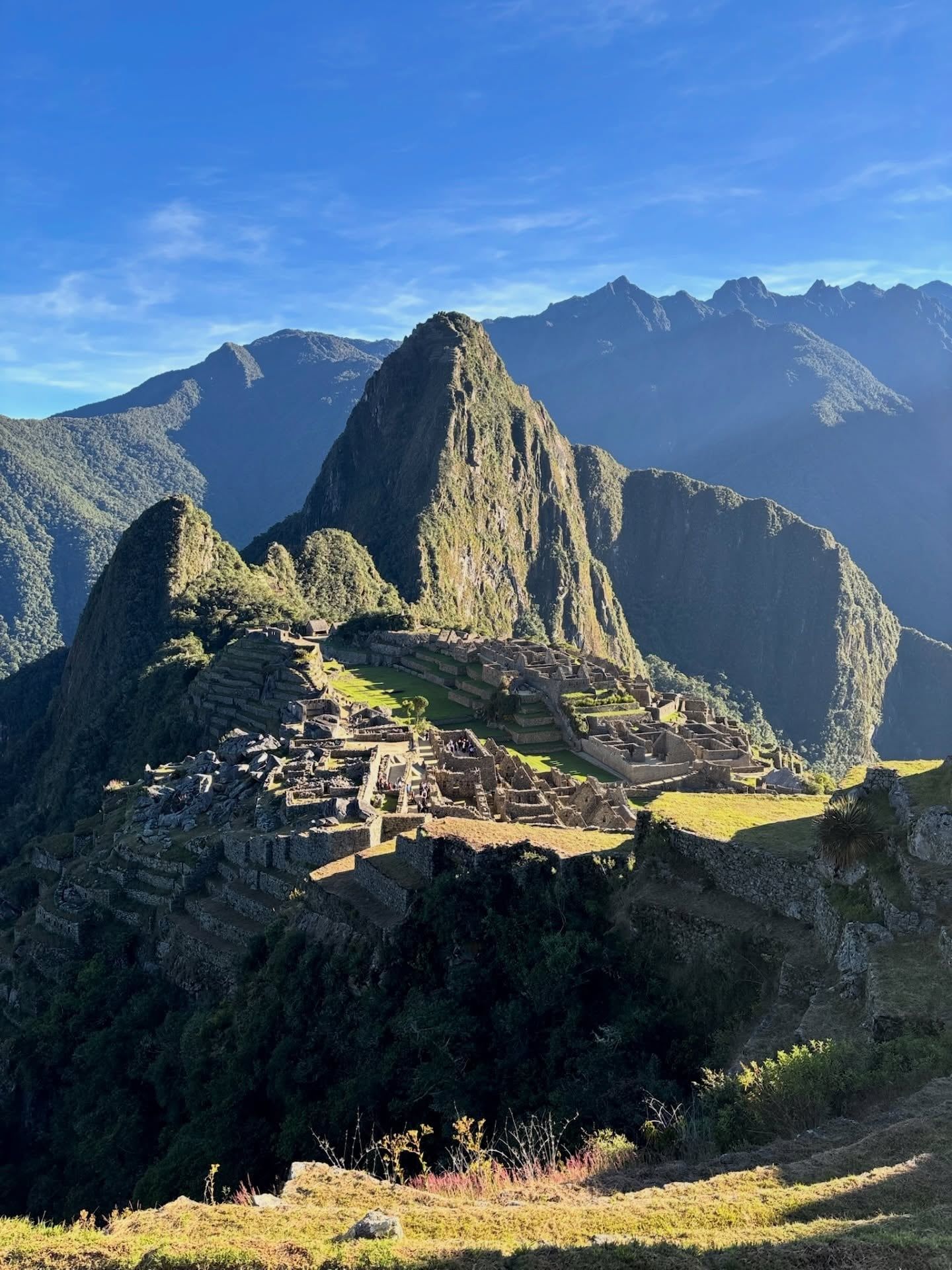
Discover the full history and cultural significance on our About page.
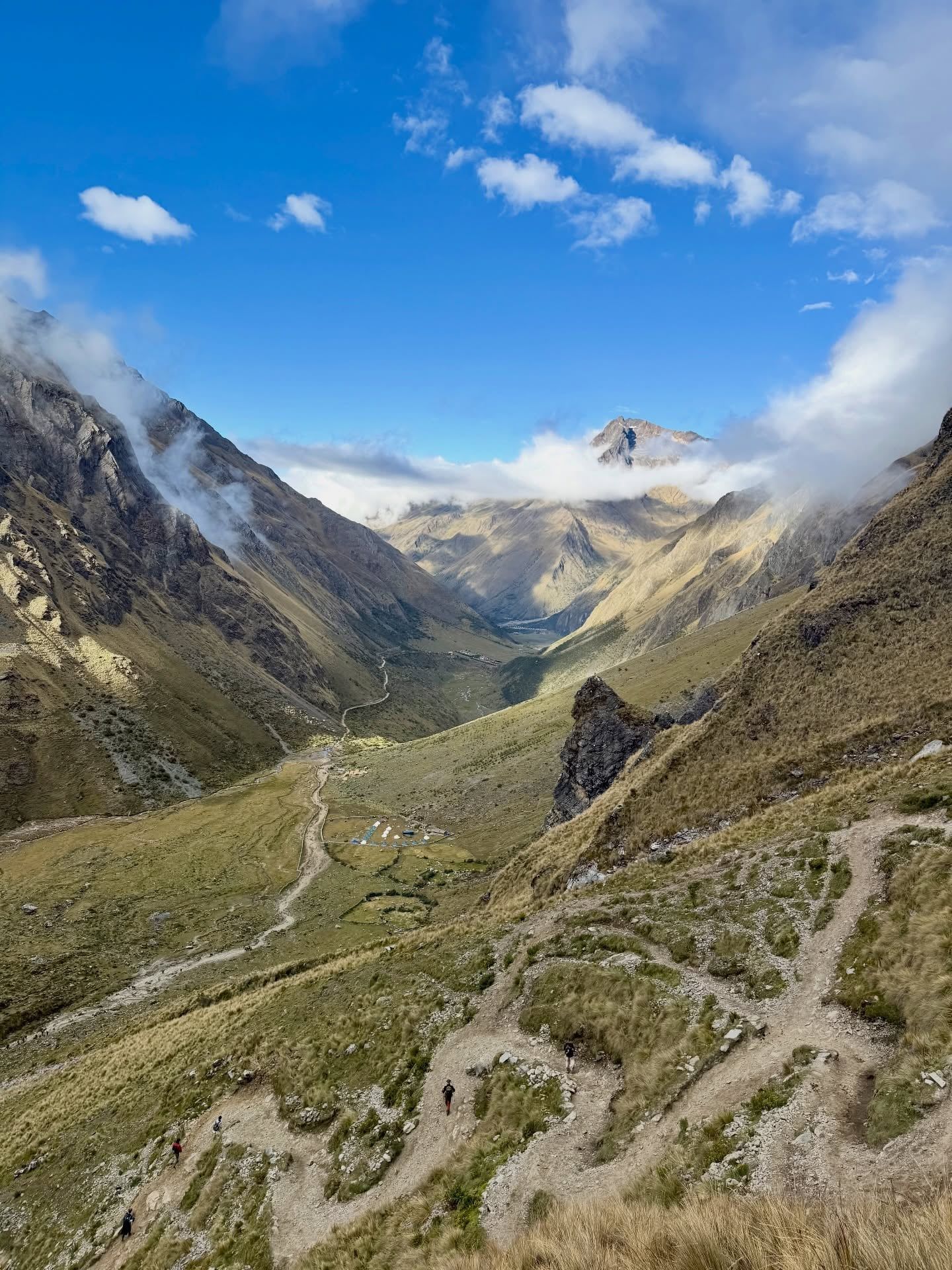
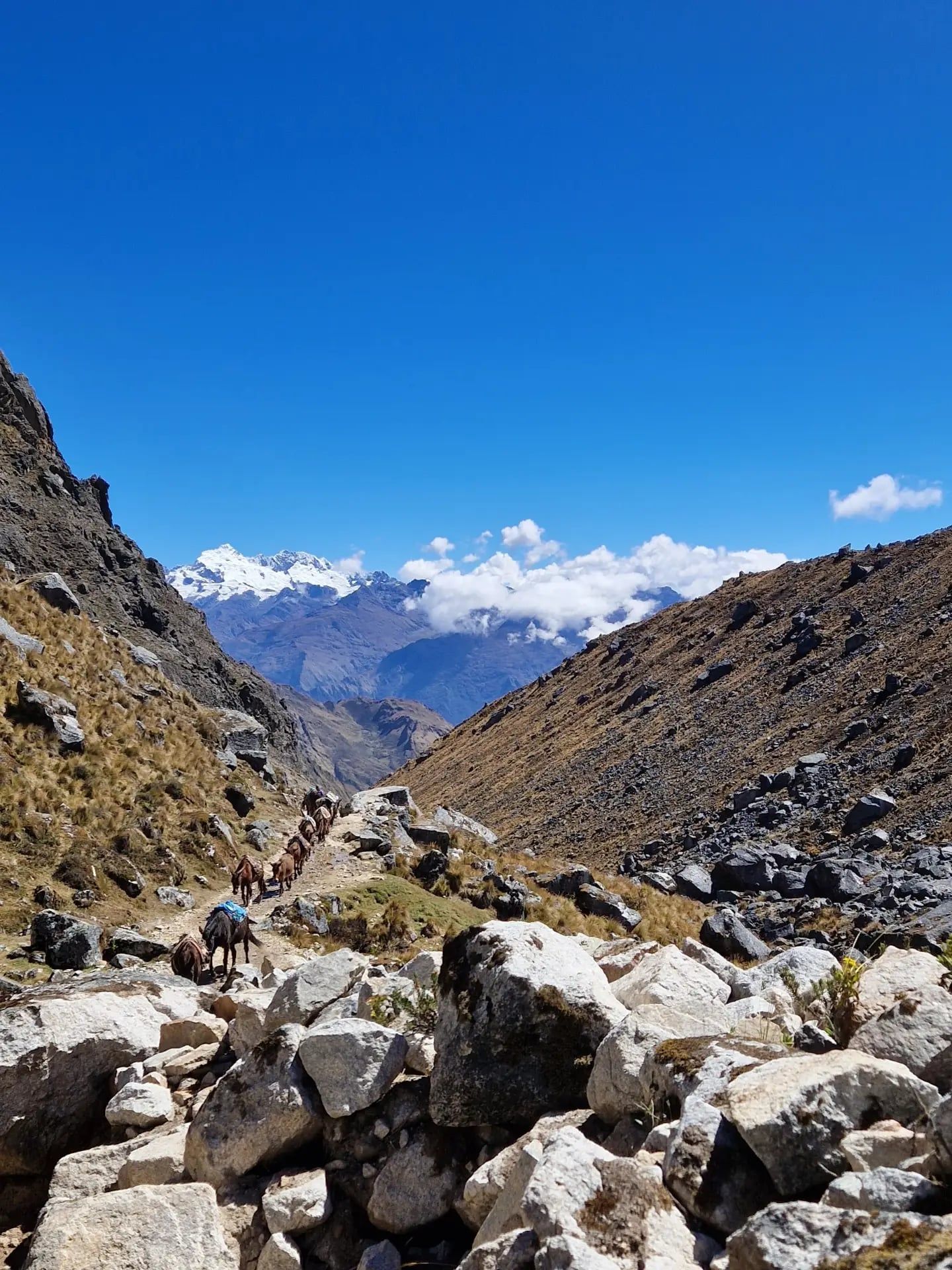
The trek reaches its highest point on day two at 4,630 meters (15,190 feet). Standing directly beneath the massive glaciers of Salkantay Mountain—the 12th-highest peak in Peru at 6,271 meters—hikers look out over the rugged Vilcabamba range before beginning a 1,500-meter descent.
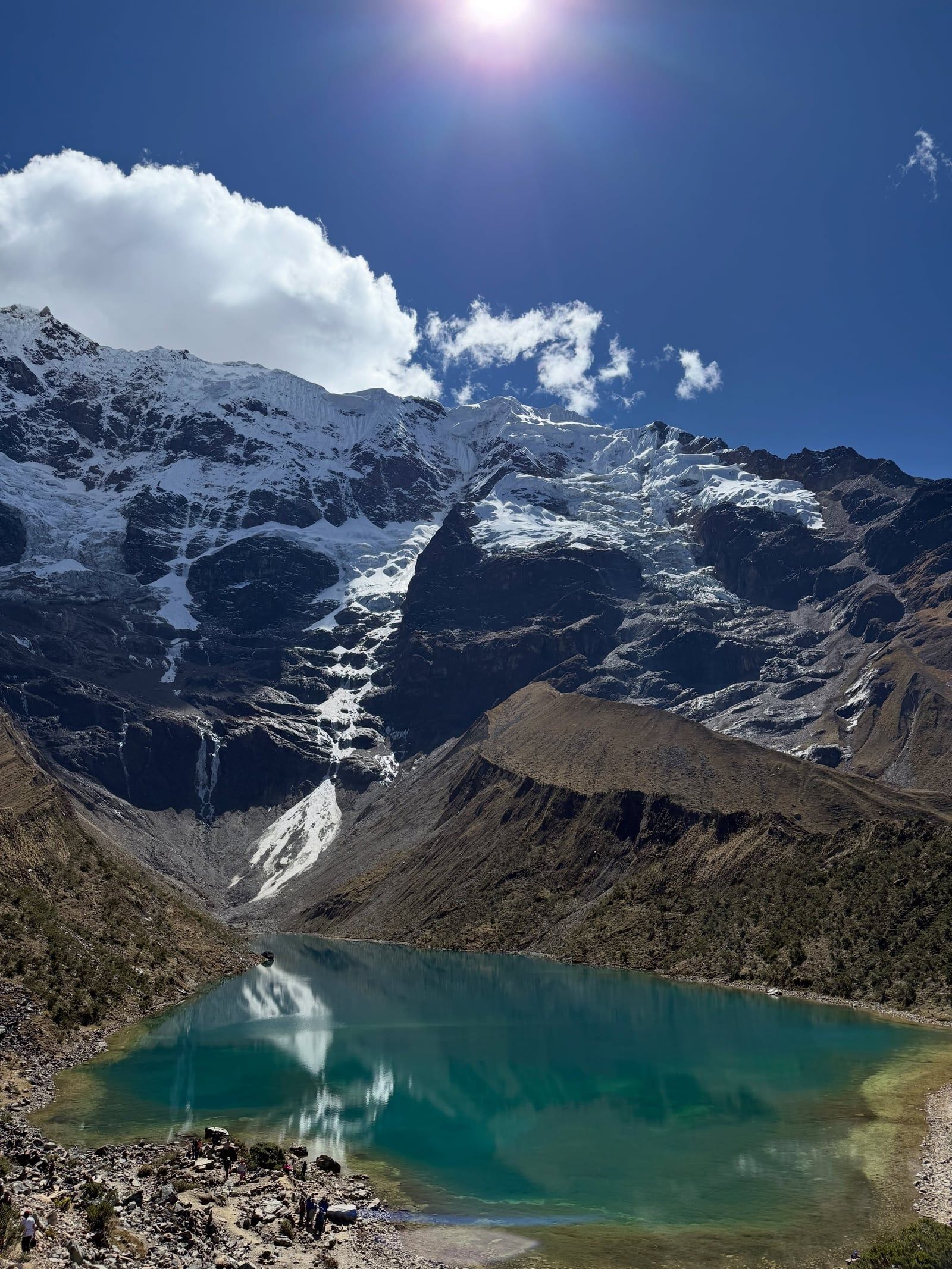
On the first day, hikers tackle a challenging ascent to a turquoise glacial lagoon resting at the base of Humantay Mountain. The 5,960-meter peak towers over the emerald waters, creating a striking reflection. It provides an ideal spot to rest and photograph the dramatic Andean landscape.
Leaving the freezing alpine zone behind, the trail drops sharply into the high Amazon. Trekkers transition from glacial views to a humid subtropical jungle. The route passes directly through organic cacao, banana, and coffee plantations as the elevation falls to 1,550 meters near Santa Teresa.
Several premium campsites along the route feature exclusive glass cabanas and sky domes. These structures allow hikers to lie in bed and look directly up at the unpolluted night sky. The glowing Salkantay glacier remains visible above as temperatures drop below freezing at camps like Soraypampa.
Hand-picked tours with free cancellation and verified reviews
 Likely to Sell Out 120h
  Likely to Sell Out 96h
  Likely to Sell Out 120h
  Likely to Sell Out 120h
  120h
120h  120h
120h  96h
96h  48h
48h The optimal window for the Salkantay Trek is the dry season between May and October. These months deliver predictable weather, clear skies, and safer trail conditions across the varied elevations.
September and October remain in the dry season, offering clear skies and stable trails. November transitions into the rainy season, increasing the risk of heavy precipitation and hazardous mudslides.
This marks the peak rainy season in the Andes. Heavy downpours obscure mountain views and frequently trigger dangerous landslides, making steep trails impassable and regional transportation highly hazardous.
March and April are shoulder season months where heavy rain remains a gamble. May shifts into the dry season, offering minimal rainfall and safer paths toward the 4,630-meter pass.
These core dry season months guarantee predictable weather and the clearest views. Trekkers must pack high-quality thermal layers, as nighttime temperatures at high-altitude camps frequently drop below freezing.
The Salkantay Trek is an open outdoor route with no strict gate hours, though standard trailhead departures usually occur between 4:00 AM and 5:00 AM. At the conclusion of the trek, Machu Picchu entry times typically run from 6:00 AM to 8:00 AM. Specific circuits involving Huayna Picchu or Machu Picchu Mountain schedule entries between 7:00 AM and 10:00 AM.
| Category | Price |
|---|---|
| Salkantay Trek Local Entrance Fee | 20 soles |
| Machu Picchu - Foreign Adult (2026) | 163 soles (152 soles plus 11 soles conservation surcharge) |
| Machu Picchu - Student (under 25) and Child | 77 soles |
| Machu Picchu - Circuit with Huayna Picchu or Machu Picchu Mountain | 200 soles |
Unlike the classic Inca Trail, the Salkantay Trek does not require a specific trekking permit. However, you must book separate Machu Picchu entrance tickets and any optional mountain climbs months in advance through the official Ministry of Culture platform.
For complete schedules and ticket prices, visit our Hours & Fees page.
Accessing the Salkantay Trek typically involves an early morning road transfer from Cusco to the trailhead. Returning from the trek's endpoint in Aguas Calientes requires either a train ride or a longer bus trip via Hidroelectrica.
📍 Peruvian Andes, 60 to 100 kilometers west-northwest of Cusco
Travel from Cusco to the trailhead begins with a shared colectivo departing between 4:00 AM and 5:00 AM. This leg takes passengers to Mollepata for 20 soles. From Mollepata, hikers hire a local taxi to reach Challacancha. The taxi ride costs approximately 80 soles per car. Groups of four passengers can share this vehicle to reduce individual expenses.
The most comfortable return option from Aguas Calientes involves taking a train to Ollantaytambo. This rail segment takes about 1.5 hours and costs approximately $70 USD. Upon arriving in Ollantaytambo, travelers transfer to a shared van or bus. The subsequent road trip back to Cusco takes another two hours. Upgraded transfers can push the total cost closer to $90 USD.
Budget-conscious hikers can return to Cusco via Hidroelectrica. This route requires a 10-kilometer walk along flat railway tracks from Aguas Calientes. At Hidroelectrica, passengers board a budget bus for the remaining drive to Cusco, which costs just $5 USD. The drive takes seven to eight hours. The route follows narrow, poorly maintained cliffside roads that may cause motion sickness.
For detailed transport options and routes, visit our Directions page.
Spend at least two to three days in Cusco before starting the hike. This preparation helps your body adjust to the extreme elevation and minimizes altitude sickness. You will need this adjustment before tackling the steep climb to the 4,630-meter Salkantay Pass on day two.
Rent or bring trekking poles to navigate the rocky descents, especially on day two when the trail drops 1,500 meters. Ensure your poles have rubber tips. Authorities strictly prohibit metal-tipped poles at Machu Picchu to protect the archaeological site. Using them prevents severe knee strain.
Bring at least 1,200 soles in cash for the duration of the hike. You will not find any ATMs along the route until you reach Aguas Calientes. Cash is necessary for purchasing bottled water, snacks, using rustic toilets, and paying the 5 USD entry fee at the Santa Teresa hot springs.
Avoid the budget bus from Hidroelectrica to Cusco. That route takes seven to eight hours along poorly maintained, winding cliffside roads that often cause motion sickness. Instead, pay 70 to 90 USD for the train from Aguas Calientes to Ollantaytambo. This comfortable ride takes just 1.5 hours.
Biting mosquitoes are highly aggressive as the trail drops into the tropical cloud forest at 1,550 meters. Apply repellent with the highest DEET percentage available when passing through Lucmabamba, Santa Teresa, and Aguas Calientes. This prevents itchy bites that can last for weeks after the hike.
Do not attempt this route in standard running shoes. The weather shifts rapidly from freezing alpine passes to humid jungles, creating slippery and muddy trail conditions. Sturdy, waterproof boots provide essential traction and keep your feet dry across the 60 to 78 kilometers of rugged terrain.
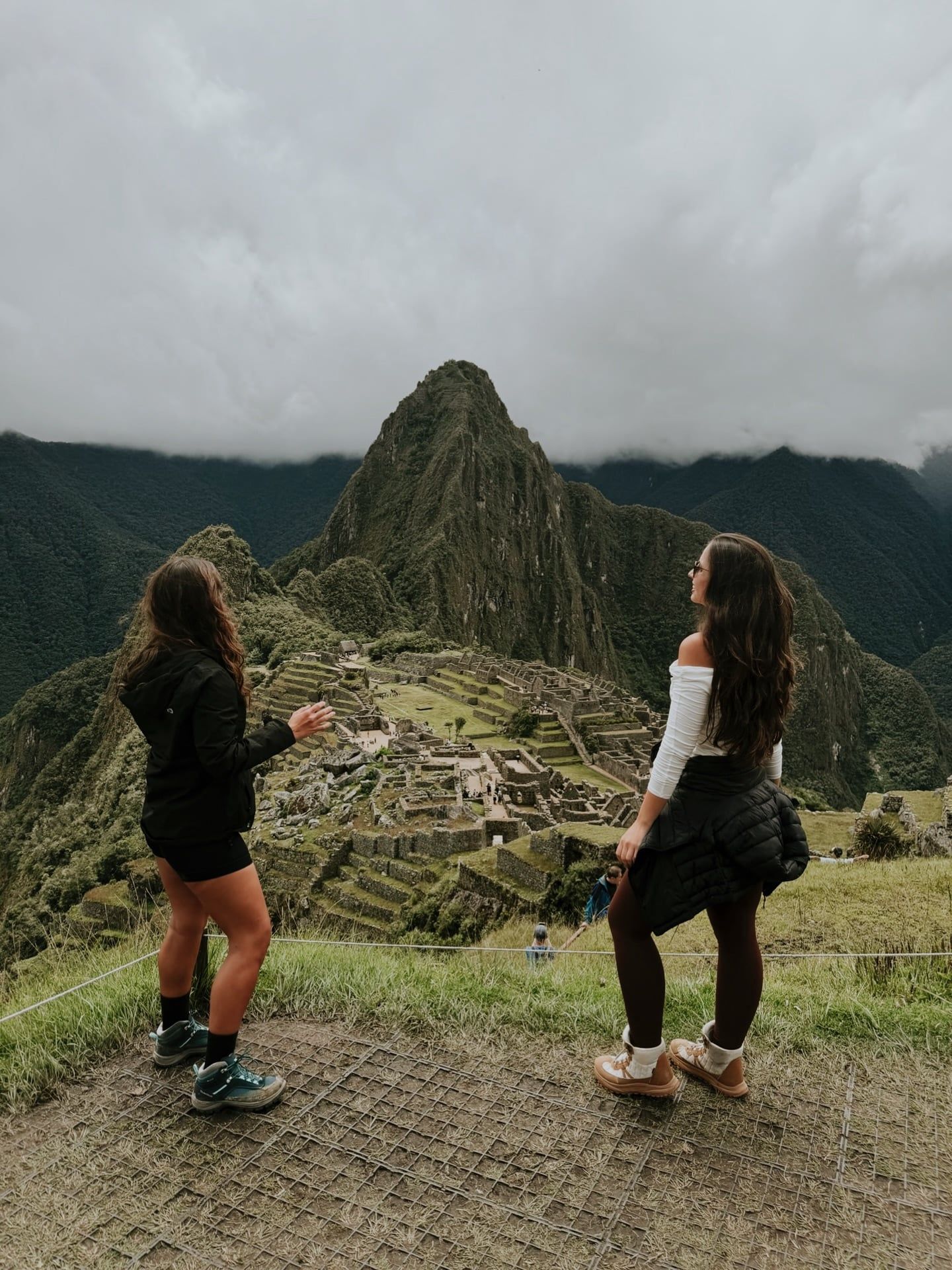
Serving as the final destination of the Salkantay Trek, this famous Inca citadel sits within the cloud forest. Visitors explore ancient stone temples and agricultural terraces while learning the history of the Inca Empire.
Located in the Sacred Valley, this historic transit hub features massive stone terraces built into a steep hillside. The site provides a detailed look at well-preserved Inca town planning and military architecture.
Known for its multi-colored mineral stripes, this peak requires a challenging high-altitude day hike. Climbers navigate the terrain to view the surrounding red valleys and the snow-capped peaks of the Andes.
Read what travelers share about their experience visiting Salkantay Trek — from practical tips to personal highlights.
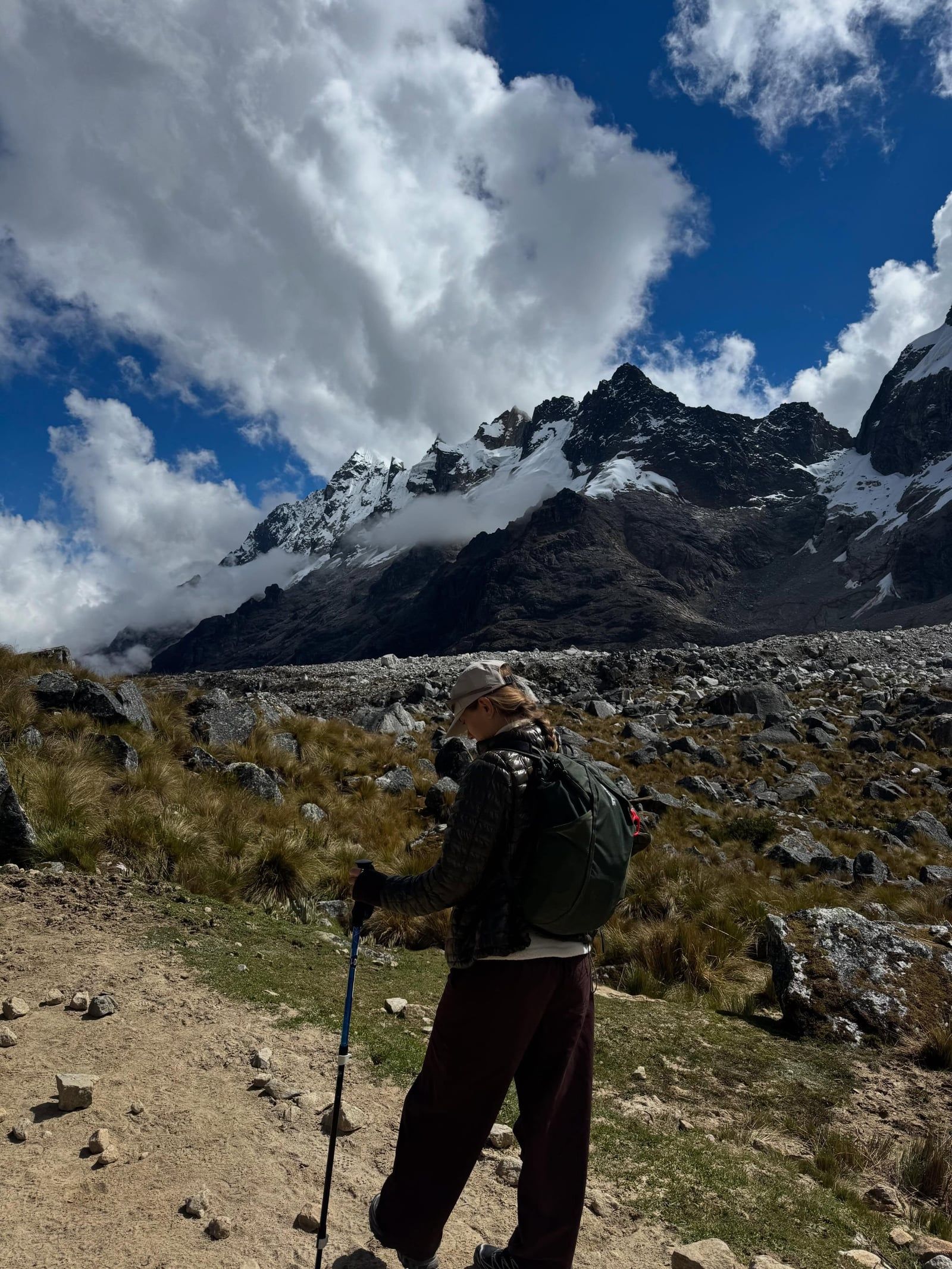
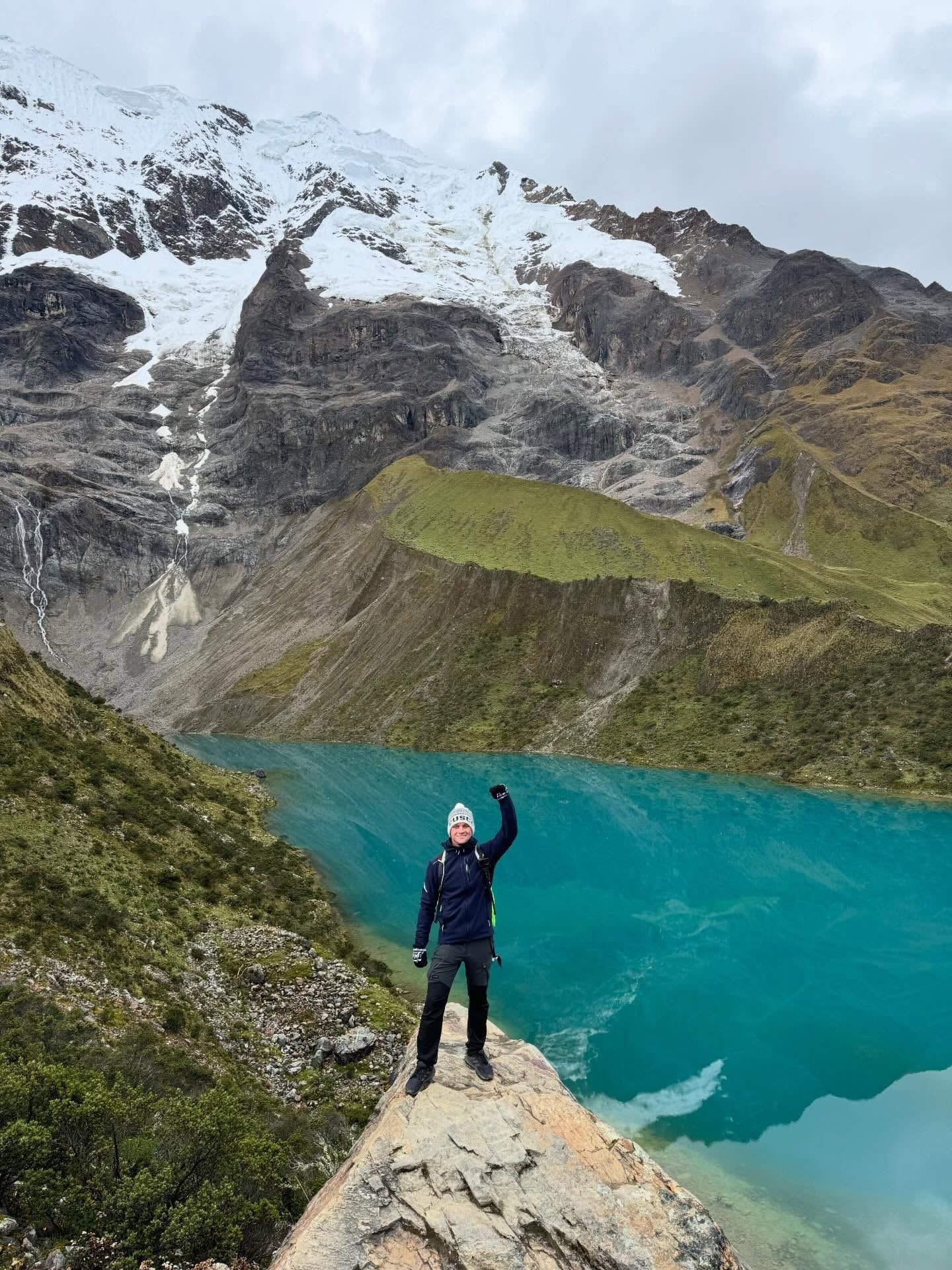
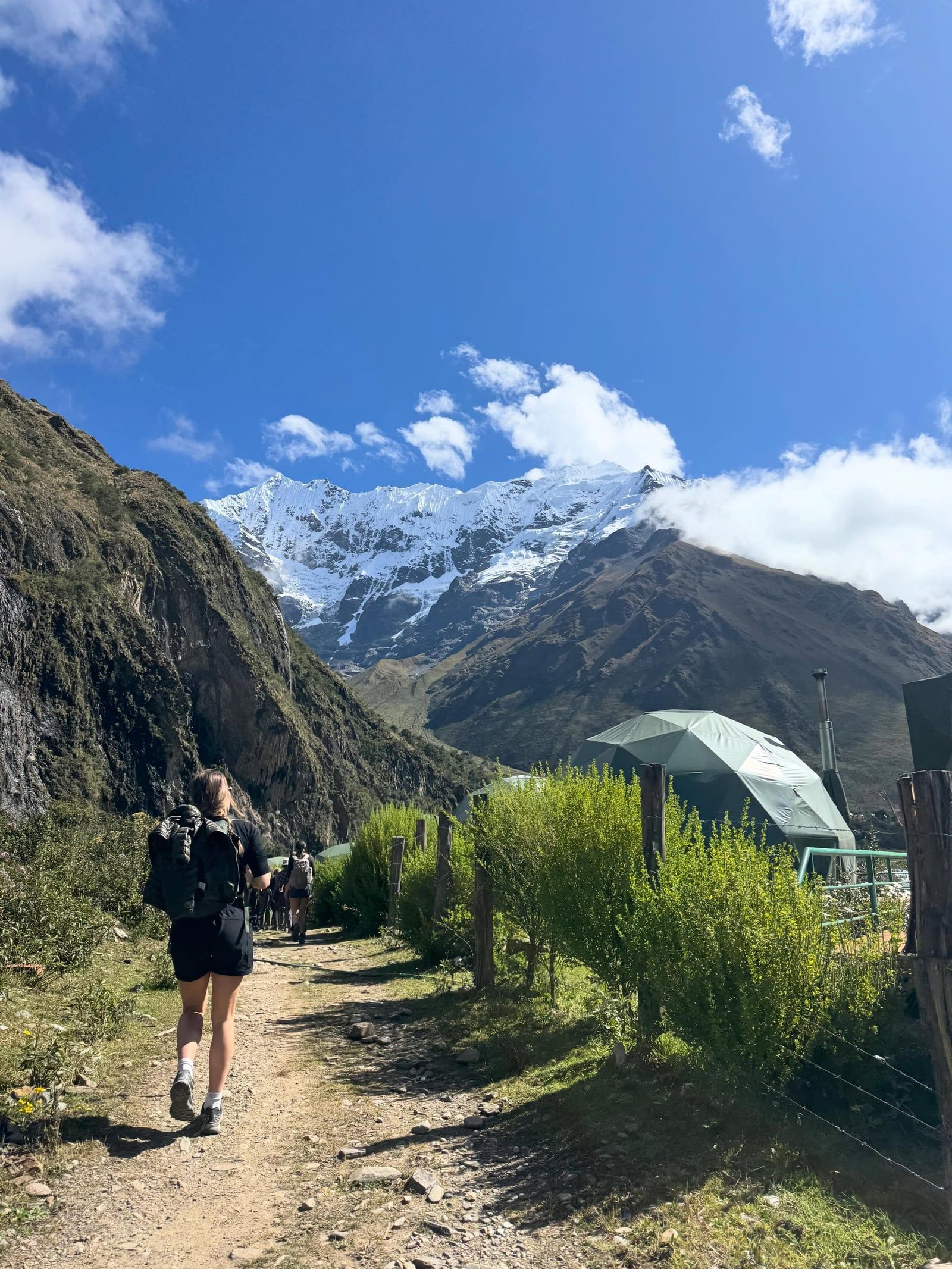
You do not need a permit for the Salkantay Trek itself, making it a flexible alternative to the Inca Trail. However, you must book Machu Picchu entrance tickets months in advance through the Ministry of Culture platform. In 2026, the standard foreign adult ticket costs 152 soles plus an 11-sole conservation surcharge.
A standard five-day group tour typically ranges from $550 to $695 USD per person. Budget operators charge around $350 USD, while luxury tours with private domes can exceed $1,095 USD. Independent hikers should expect a 20-sole local entrance fee at the trailhead.
The most reliable months for this trek are between May and October during the dry season. This period provides clear skies and minimizes the risk of landslides. Hiking between November and April is not recommended, as heavy rains can wash out trails and obscure mountain views.
Hikers usually depart Cusco between 4:00 AM and 5:00 AM via a shared colectivo to Mollepata, which costs 20 soles. From Mollepata, you take a local taxi to the Challacancha trailhead. The taxi costs approximately 80 soles and can be shared among four passengers to reduce costs.
Taking the train from Aguas Calientes to Ollantaytambo is the most comfortable return method, taking 1.5 hours and costing about $70 USD. A cheaper alternative involves walking 10 kilometers to Hidroelectrica and taking a $5 USD budget bus. The bus ride takes seven to eight hours along poorly maintained cliffside roads.
Pack layered clothing to handle temperature shifts from freezing alpine passes at 4,630 meters to the hot cloud forest at 1,550 meters. Waterproof hiking boots and a high-capacity power bank are essential since electricity is unreliable at remote campsites. You will also need at least 1,200 soles in cash for trail expenses like water, toilets, and tips.
Trekking poles are highly recommended for the steep 1,500-meter descent on day two, but they must have rubber tips to be allowed inside Machu Picchu. Drones are strictly prohibited at Humantay Lake and the Machu Picchu archaeological site. Tripods are permitted and useful for independent photography along the route.
The route covers up to 78 kilometers of steep, high-altitude terrain and is highly demanding. Many tour agencies prohibit children under 14 years old from participating. Older adults can hike the trail but must consult a doctor beforehand and can hire emergency mules if they struggle with the altitude.
Browse verified tours with free cancellation and instant confirmation.
Find Tours