
About All ToursTo Machu Picchu Tours4-Day Tours5-Day Tours3-Day Tours2-Day ToursPremium Tours Directions Hours & Fees
Find Tours 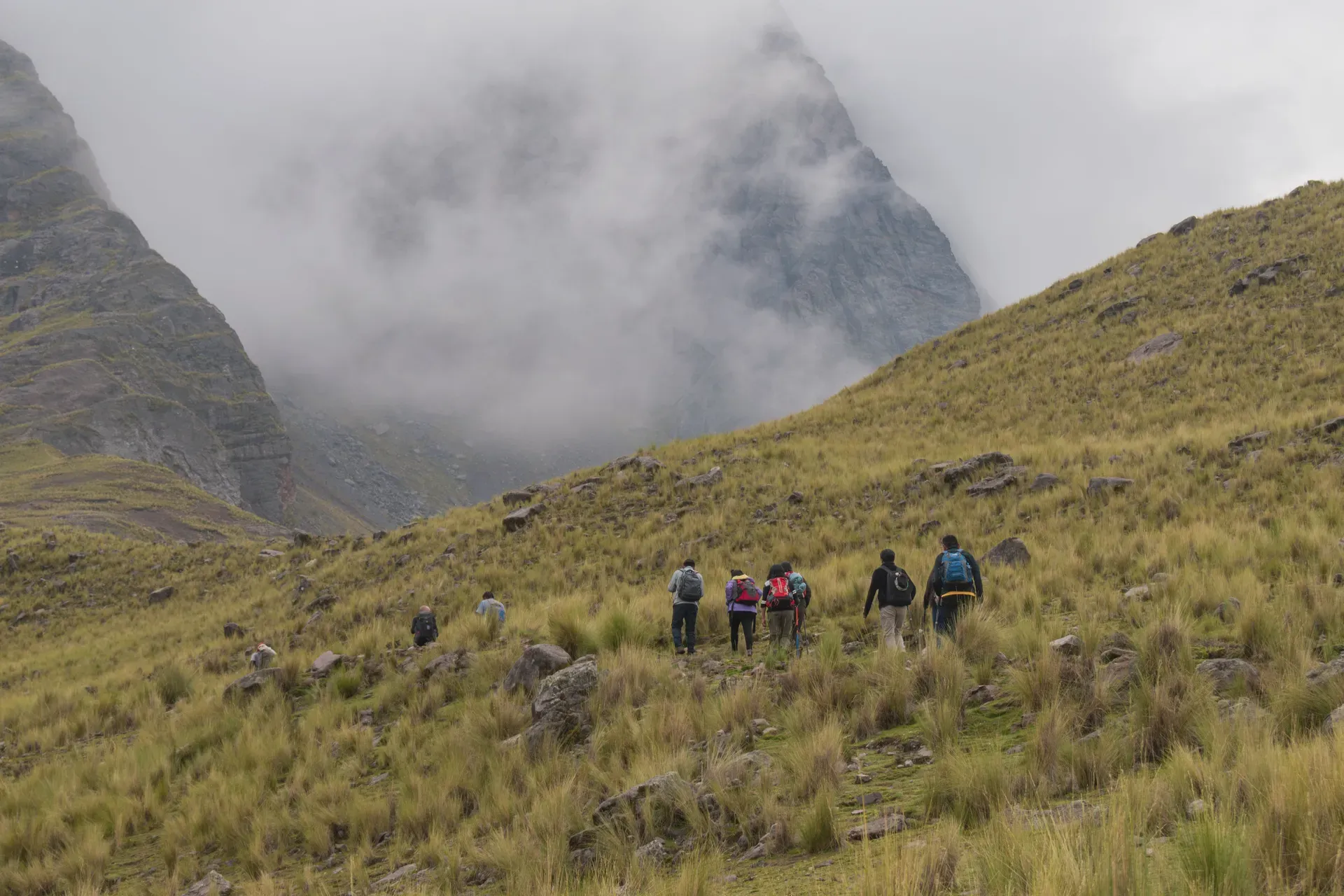
Hikers do not need an official permit to walk the trail, only a 20-sol local fee collected at the start. The route lacks strict gate hours, but most groups depart between 4:00 AM and 5:00 AM to eventually reach Machu Picchu, where 2026 entry costs 163 soles.
The Salkantay Trek remains open 24 hours a day without strict gate times, though transport and hiking begin between 4:00 AM and 5:00 AM. Heavy rains from November to April trigger mudslides that frequently wash out trails, making the route impassable. Machu Picchu enforces strict entry windows starting at 6:00 AM.
| Day | Hours | Note |
|---|---|---|
| Monday–Sunday | Open 24 hours | Trailhead colectivos leave Cusco between 4:00 AM and 5:00 AM; Machu Picchu entry requires a pre-booked time slot between 6:00 AM and 10:00 AM. |
The trail stays open year-round, but severe weather dictates access rather than official holidays. Landslides and mudslides regularly destroy trail sections between November and April, forcing hikers to turn back or find alternative transport. Book trips between May and October to avoid trail washouts and heavy rain that obscures the 6,271-meter peak.
Hiking the Salkantay Trek requires no official permit, but hikers pay a 20-sol local entry fee at the trailhead. Accessing Machu Picchu at the trail's end costs 163 soles for foreign adults, which includes an 11-sol conservation surcharge. Adding mountain climbs pushes the ticket to around 200 soles.
| Category | Price | Note |
|---|---|---|
| Local Trailhead Entry Fee | 20 soles | Paid at the start of the trek; often included in guided tour packages |
| Machu Picchu Entry (Foreign Adult) | 163 soles (~$43-44) | Includes 152-sol base ticket and 11-sol conservation surcharge (2026 rates) |
| Machu Picchu Entry (Student under 25 & Child) | 77 soles (~$20) | Valid passport or student ID required |
| Machu Picchu + Huayna Picchu or Mountain | 200 soles (~$53) | Requires booking months in advance through the Ministry of Culture platform |
| Standard 5-Day Group Tour | $550 - $695 USD | Prices drop to around $350 USD for budget operators |
| Premium Luxury Tour | $1,095+ USD | Features private glass cabanas or sky domes |
No regular free entry days.
Planning your visit to Salkantay Trek? Find tours with free cancellation and skip-the-line options.
View All ToursTrek between May and October for clear skies and predictable weather. This dry season prevents the landslides and impassable trails common from November to April. Trail traffic peaks during these safer months, so expect to share campsites and face 4:00 AM queues for the Machu Picchu shuttle buses.
| Period | Crowd Level | Recommendation |
|---|---|---|
| Pre-dawn (04:00–05:00) | High | Join the standard departure wave for colectivos leaving Cusco or queue for the first shuttle buses in Aguas Calientes. |
| Early morning (06:00–08:00) | High | Enter Machu Picchu during this window to view the citadel before the large train crowds arrive. |
| Mid-morning (07:00–10:00) | Moderate | Begin your scheduled ascent of Huayna Picchu or Machu Picchu Mountain using pre-booked circuit tickets. |
| Daytime (10:00–16:00) | Low | Trek across the 74-kilometer route at your own pace while the trail naturally disperses groups between campsites. |
The classic Salkantay Trek takes five days and four nights to cover the full 74-kilometer route. By modifying transport options between trailheads, hikers can shorten the journey to three or four days. Time spent walking depends entirely on the specific itinerary, peaking at 22 kilometers during the second day's push from Soraypampa to Collpapampa.
Secure Machu Picchu entrance tickets months in advance through the official Ministry of Culture platform. The trek itself requires no permit, but citadel entry costs 163 soles ($43-44) for foreign adults in 2026. To beat the train crowds on your final day, join the Consettur shuttle bus line in Aguas Calientes by 4:30 AM.
Spend two to three days in Cusco before starting the trail to minimize severe headaches and nausea. The route peaks at the 4,630-meter Salkantay Pass on the second day, where the thin air makes breathing difficult. Carry altitude medication and electrolyte supplements like Liquid IV to handle the daily nine-hour hikes.
Withdraw at least 1,200 Peruvian soles before leaving Cusco. You will not find ATMs along the trail until Aguas Calientes, and cash is required for trailside toilets, bottled water, and the $5 USD Santa Teresa hot springs entry. Pack a high-capacity power bank because remote mountain campsites lack reliable electricity.
Rent trekking poles with rubber tips to navigate the steep 1,500-meter rocky descent on day two. Metal tips are strictly prohibited inside Machu Picchu. Wear sturdy, waterproof hiking boots to handle unpredictable alpine rain, and pack high-DEET insect repellent for the aggressive mosquitos in the lower jungle elevations like Lucmabamba.
Pay the $70 to $90 USD for a return train ticket from Aguas Calientes to Ollantaytambo. The alternative budget bus from Hidroelectrica takes up to eight hours and navigates narrow, poorly maintained cliffside roads with careless drivers. The train cuts the journey to a comfortable 1.5 hours.
No special permit is required for the Salkantay route, unlike the classic Inca Trail. Hikers pay a local 20-soles entrance fee at the trailhead. You still need separate tickets for Machu Picchu, which cost 163 soles for foreign adults in 2026.
Standard 5-day group tours range from $550 to $695 per person. Budget operators charge around $350, while premium trips featuring glass cabanas and hot showers exceed $1,095. Bring 1,200 Peruvian soles in cash to pay for toilets, bottled water, and hot springs along the route.
Standard entry times run from 6:00 AM to 8:00 AM. Access to specific mountain climbs like Huayna Picchu opens between 7:00 AM and 10:00 AM. To beat the train crowds, start queuing for the Consettur shuttle bus in Aguas Calientes by 4:30 AM.
May through October provides the driest weather and clearest skies. Heavy rains from November to April routinely trigger landslides that wash out trails and block mountain views. Peak rain during the shoulder seasons makes transport hazardous.
Board a 1.5-hour train from Aguas Calientes to Ollantaytambo for $70, followed by a 2-hour bus to Cusco. Budget hikers can walk 10 kilometers to Hidroelectrica and take a $5 bus back. This cheaper bus ride takes 7 to 8 hours along poorly maintained cliffside roads with careless drivers.
The classic 5-day itinerary covers 74 kilometers. Day two demands the most effort, pushing hikers across 22 kilometers of rocky terrain from Soraypampa to Collpapampa. The trail drops 1,500 meters that afternoon, requiring rubber-tipped trekking poles to prevent knee strain.
Independent hikers can navigate the well-signposted 74-kilometer route on their own. Local guesthouses and campsites operate along the trail, selling food and basic lodging. You must book Machu Picchu entrance tickets months in advance through the official Ministry of Culture platform.
Browse verified tours with free cancellation and instant confirmation.
Find Tours