About All ToursTo Machu Picchu Tours4-Day Tours5-Day Tours3-Day Tours2-Day ToursPremium Tours Directions Hours & Fees
Find Tours 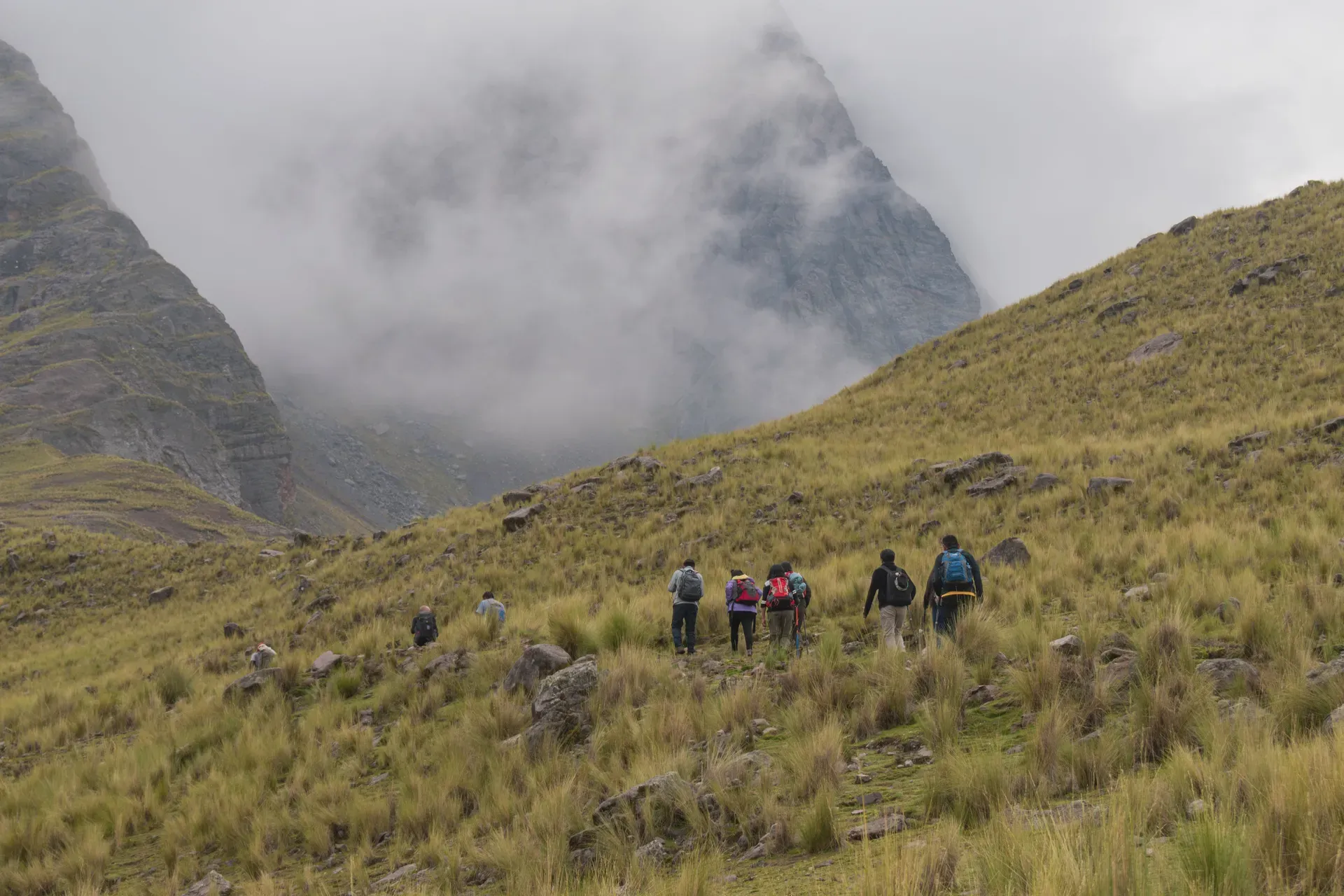
Experience the stunning Peruvian Andes on a 4 or 5-day Salkantay Trek to Machu Picchu. These challenging but rewarding routes offer a quieter alternative to the Inca Trail, featuring glacial lakes, high mountain passes, and guided camping or glamping.
 Likely to Sell Out
 A 5-day trek from snow-capped Andean peaks through cloud forests to the ruins of Machu Picchu.
 Likely to Sell Out
 A 4-day trek through the Andes to Machu Picchu, featuring a night in glass igloos at the exclusive Sky Camp.
 Likely to Sell Out
 A lodge-based Salkantay Trek visiting Humantay Lake and the high pass before arriving at Machu Picchu.

A rugged, high-altitude trek through the Andes to Machu Picchu, offering a quieter path than the classic Inca Trail.

Hike from Humantay Lake to Machu Picchu on a 5-day trek through high Andean peaks, cloud forests, and coffee farms.
 Likely to Sell Out
 A challenging trek across the Ausangate mountains and ancient Inca trails, ending at the ruins of Machu Picchu.

A 75 km journey through glacial peaks and cloud forests, led by local guides on the path to Machu Picchu.

Hike from 4,000-meter Andean peaks to the jungle, featuring alpine lakes, hot springs, zip-lining, and Machu Picchu.

Reach Machu Picchu via the Salkantay Trail, a high-altitude trek offering panoramic views of the Peruvian Andes.
 Free Cancellation
 Discover the history and traditions of Machu Picchu through the eyes of local guides and authentic Peruvian culture.
Read what travelers share about their experience visiting Salkantay Trek — from practical tips to personal highlights.
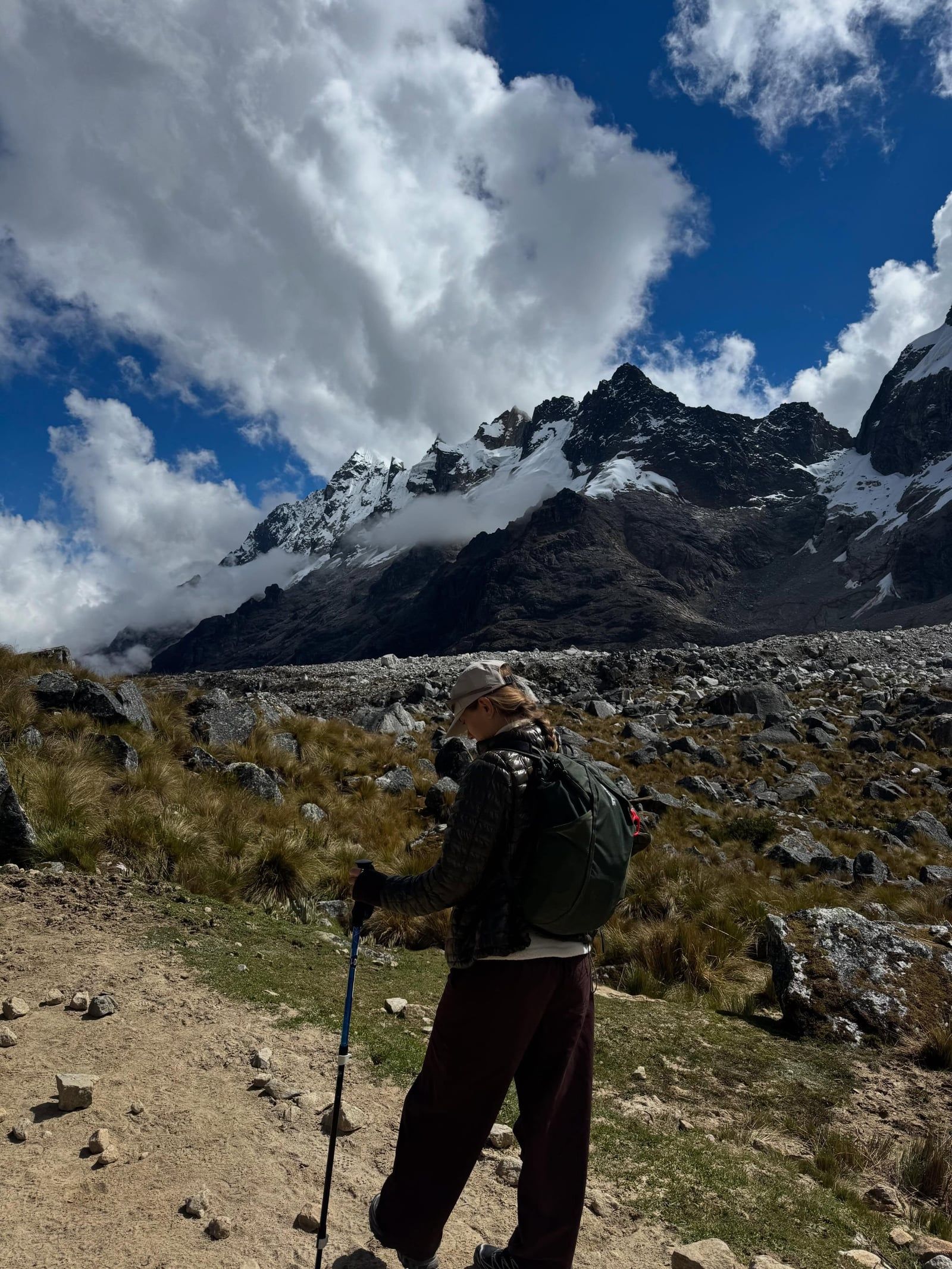
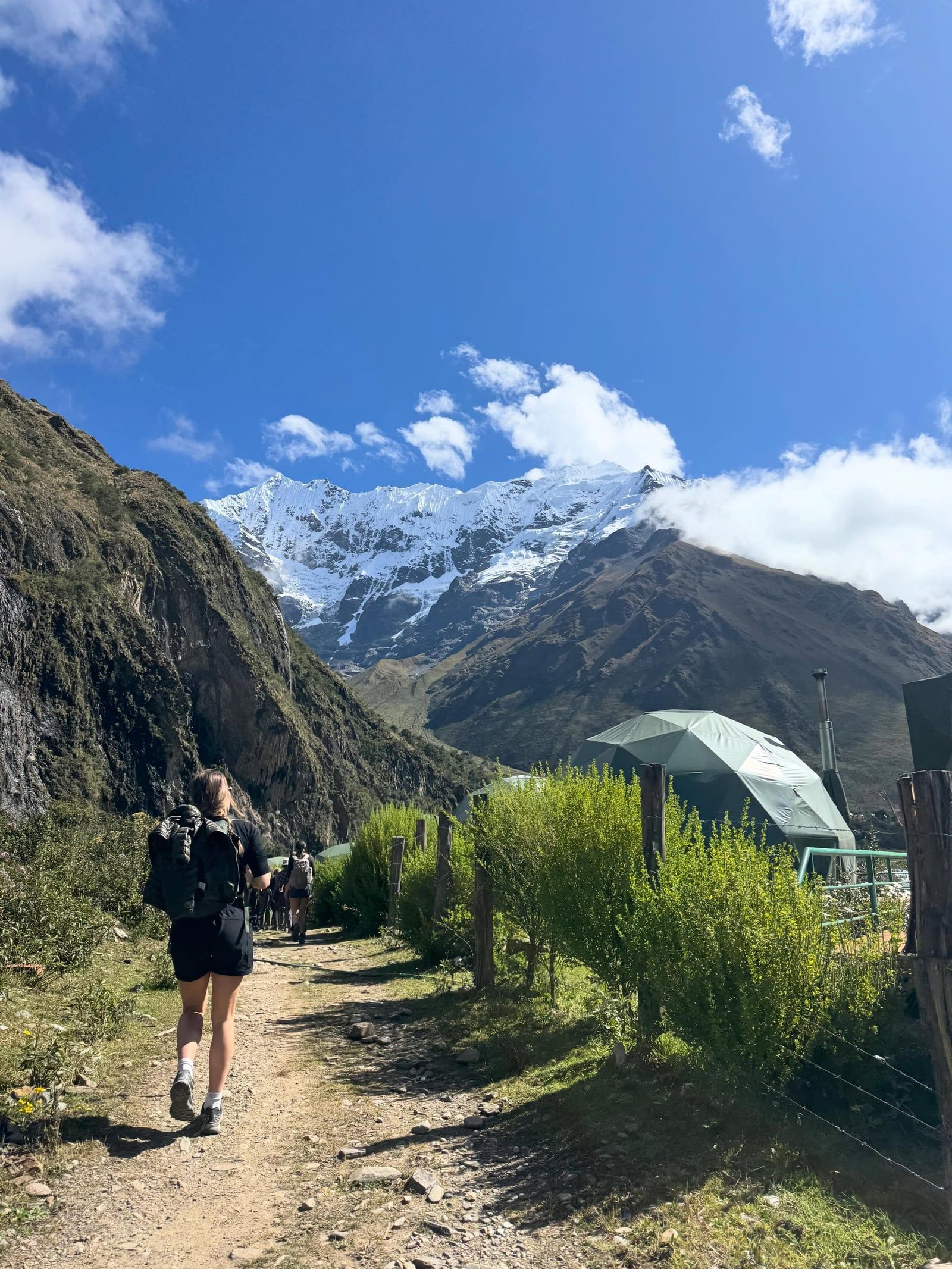
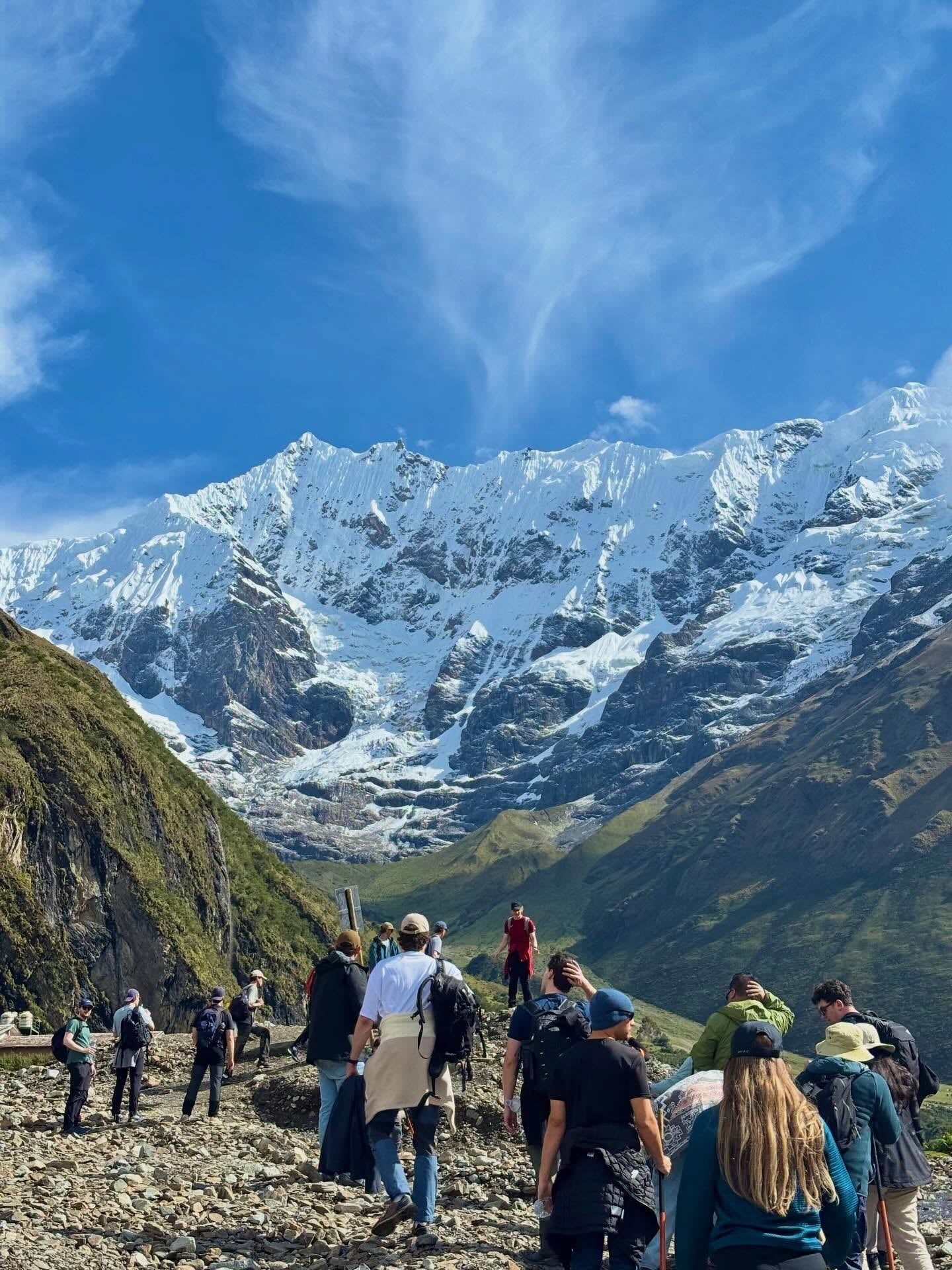
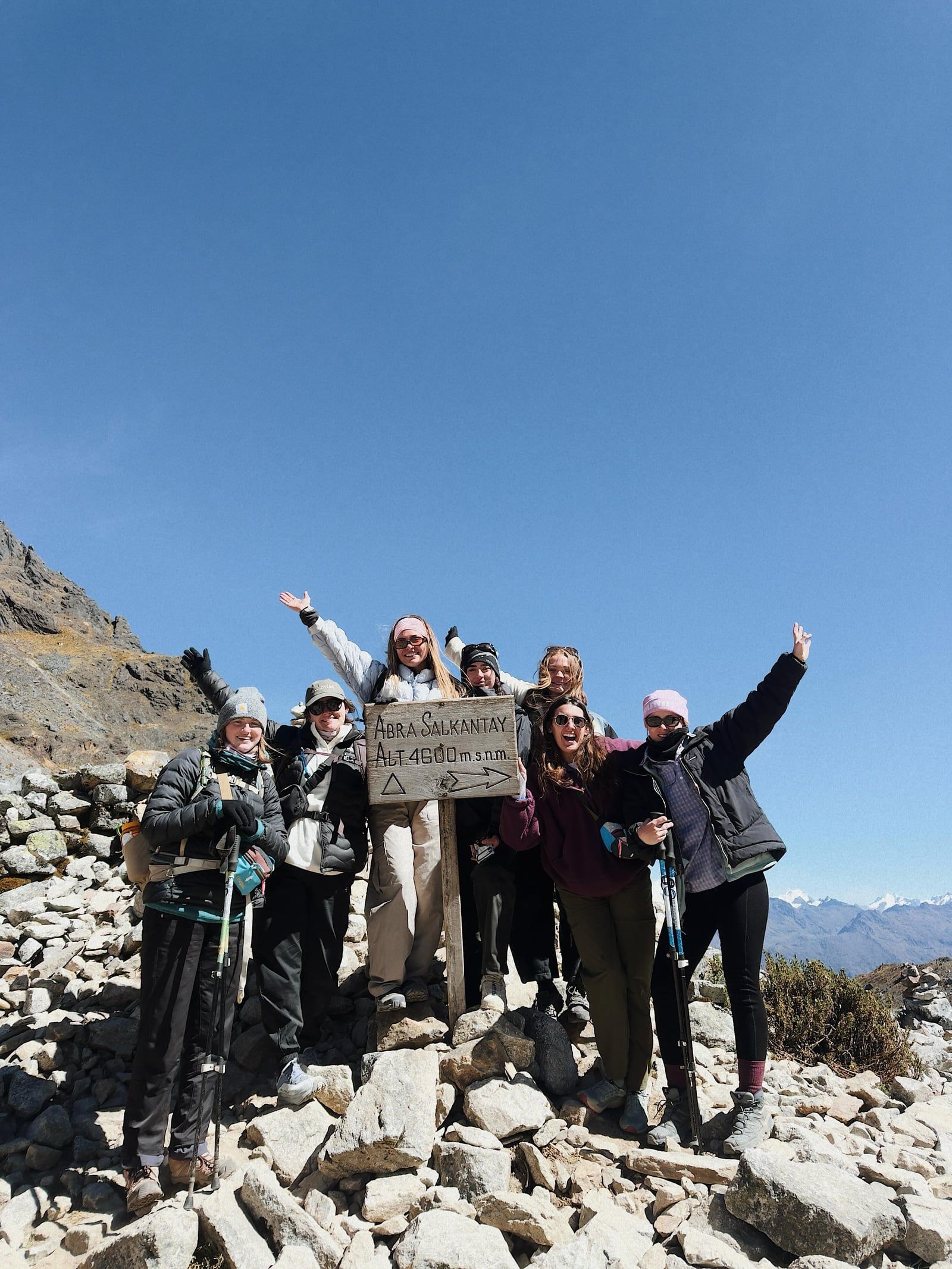
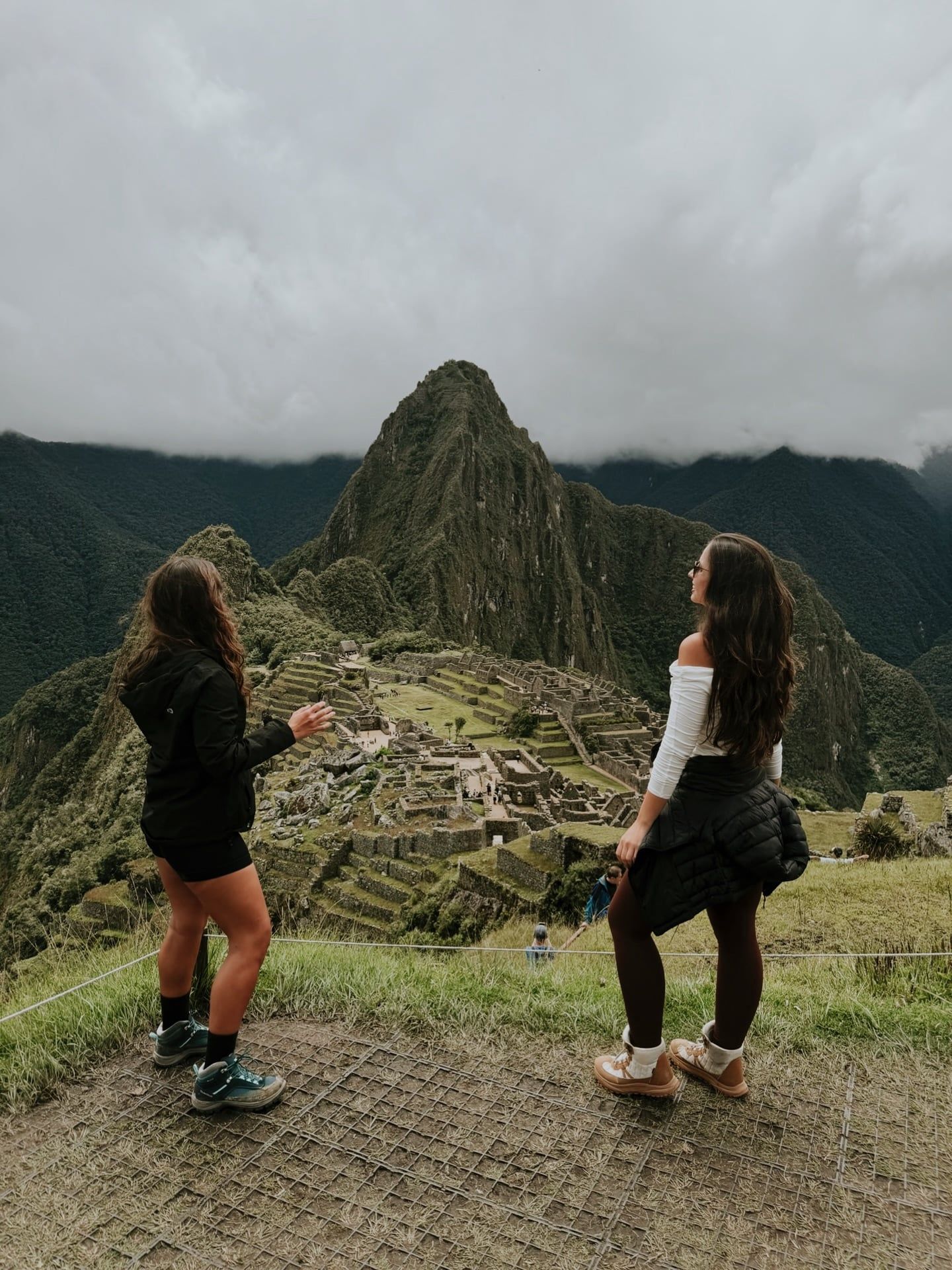
The Salkantay Trek is a spectacular, rugged 5-day alternative to the classic Inca Trail, taking you off the beaten path and deep into the Peruvian Andes. You will hike through incredibly diverse ecosystems, starting from freezing high-altitude glaciers down to lush, tropical cloud forests, before reaching the iconic Machu Picchu citadel.
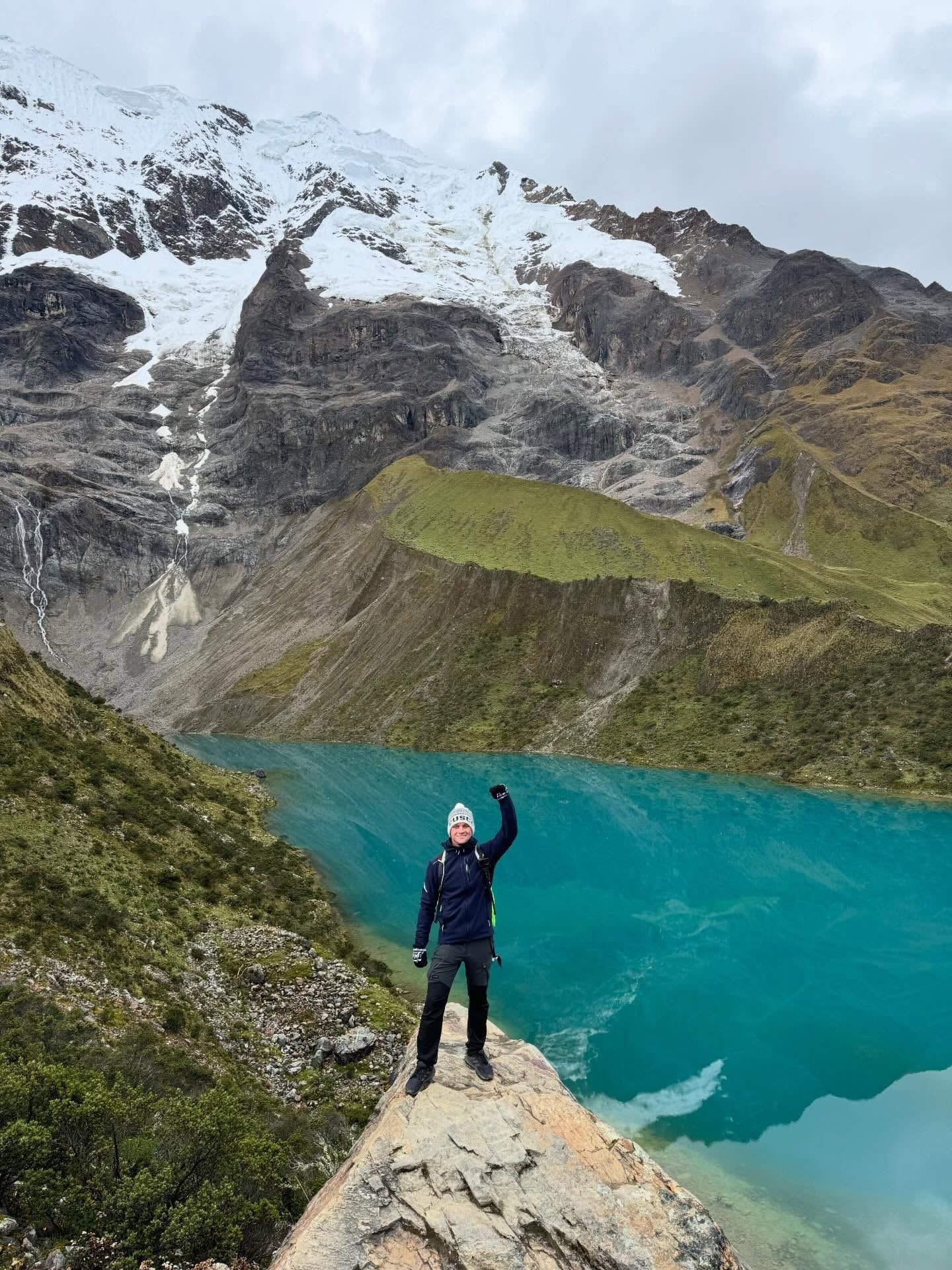
Hike up to this stunning turquoise glacial lagoon sitting at the base of Humantay Mountain. It's a challenging climb on the first day, but the vibrant emerald waters are a massive reward.
Conquer the highest point of the trek at 4,630 meters (15,190 feet). Standing directly beneath the massive glaciers of Salkantay Mountain offers panoramic views of the rugged Vilcabamba range.
Watch the landscape drastically transform as you drop 1,500 meters from the freezing alpine zone into a lush, subtropical jungle filled with coffee, banana, and organic cacao plantations.
Many tours feature exclusive glass cabanas or sky domes. You can lie in a comfortable bed and gaze directly up at the brilliant, unpolluted Andean night sky.
Explore this unique, uncrowded archaeological site that provides trekkers with their very first distant glimpse of Machu Picchu and Huayna Picchu across the valley.
The grand finale of your journey. Explore the ancient stone temples and agricultural terraces of this world-famous Inca citadel nestled in the cloud forest.
Preparing for the Salkantay Trek requires understanding the physical demands, logistics, and what is actually included in your tour package. Here is what you need to know before securing your spot.
The classic Salkantay itinerary is 5 days and 4 nights. However, if you are short on time, there are shortened 4-day variations available. You can choose between budget-friendly camping tours or premium glamping adventures that feature sky domes and superior hotels.
While the trek itself doesn't require a permit, Machu Picchu entrance tickets sell out incredibly fast. Tour operators strongly recommend booking your trip at least five months in advance to secure access to the optimal circuits (usually Circuit 2).
Most guided tours are comprehensive, including hotel pickup, a mountain guide, camping equipment, all meals on the trail, and your Machu Picchu entrance ticket. They also provide a duffel bag and mules to carry 5 to 10 kg of your personal gear.
This is a highly demanding trek with steep climbs up to 4,630 meters and daily walking distances up to 22 kilometers. Travelers must be in excellent physical shape; tours are not recommended for pregnant travelers or those with cardiovascular issues.
Altitude sickness is a major risk on this route. Tour operators mandate that you arrive in Cusco at least two to three days before your trek begins to properly acclimate to the elevation.
Almost all tour operators require you to attend a pre-departure briefing at their Cusco office the evening before your trek (usually around 5:00 PM or 6:00 PM). You'll get your duffel bag and final logistics here.
Because Machu Picchu tickets and train transfers are non-refundable and non-transferable under Peruvian law, almost all Salkantay Trek tours have a strict 'All sales are final' policy with no refunds for cancellations.
| Classic Guided Trek | Premium Glamping Adventure | Shortened Express Trek | |
|---|---|---|---|
| Duration | 5 Days | 5 Days | 4 Days |
| Accommodation Type | Tents / Basic Domes & 3-Star Hotel | Sky Domes / Glass Cabanas & Superior Hotel | Sky Camp & 3-Star Hotel |
| Luggage Allowance (Mules) | 5 to 7 kg per person | Up to 10 kg per person | 5 kg per person |
| Price from | $290 - $480 USD | $1,270 USD | $695 USD |
The Trek: The Salkantay trail itself does not have strict opening or closing gates like the Inca Trail. However, tour groups operate on a very early schedule. Expect hotel pickups in Cusco between 4:00 AM and 5:30 AM on the first day to reach the trailhead.
Machu Picchu: Entry times to the citadel are strictly regulated by the ticket you hold. Typical morning entry times range from 6:00 AM to 8:00 AM to catch the sunrise views. If your tour includes a hike up Huayna Picchu or Machu Picchu Mountain, those specific entry windows usually fall between 7:00 AM and 10:00 AM.
Starting the Trek: The trailhead is located about 100 kilometers from Cusco. Tours will transport you via private van or shared colectivo to the town of Mollepata, and then onward to Challacancha or Soraypampa where the hiking begins. The drive takes roughly 3.5 hours.
Returning to Cusco: After visiting Machu Picchu, you have two main options to get back to Cusco:
Dry Season (May to October): This is universally considered the best time to hike the Salkantay Trek. During these months, you will experience predictable weather, minimal rainfall, and clear blue skies, which are essential for safe trail conditions and unobstructed views of the glacier peaks.
Rainy Season (November to April): Hiking during these months is highly discouraged and often dangerous. Heavy rains can trigger landslides and mudslides, making the steep trails impassable and transport hazardous. February is particularly notoriously wet, and some tour operators suspend departures entirely during this month.
Wheelchair Access: The Salkantay Trek is not wheelchair accessible due to its extremely rugged, steep, and rocky mountain terrain. However, once at Machu Picchu, wheelchair users can access the Main Entrance Plaza and Guardhouse Viewpoint using specialized manual track wheelchairs with assistance.
Age and Fitness Restrictions: This trek is highly demanding. Children under 14 are generally not permitted by most agencies. Older adults are allowed but must consult a doctor prior to booking due to the extreme altitudes (up to 4,630 meters). All hikers should be in excellent cardiovascular shape.
On the Trail: Facilities are quite rustic during the first few days of the trek. Bathrooms at standard campsites are basic. However, if you book a premium glamping tour, you may have access to hot showers, outdoor jacuzzis, and cleaner private toilets.
Electricity and Money: Electricity is sporadic and unreliable in the remote mountain camps, so bringing a high-capacity power bank is highly recommended. There are no ATMs along the trail until you reach Aguas Calientes on Day 4. You must bring at least 1,200 Peruvian soles in cash to pay for trail toilets, bottled water, hot springs entry, and tips for your guides and porters.
Drones and Photography: Drones are strictly prohibited at sensitive sites along the route, specifically at Humantay Lake and the entire Machu Picchu sanctuary. Standard photography and tripods are allowed.
Trekking Poles: You cannot use trekking poles with exposed metal tips at Machu Picchu; only rubber-tipped poles are permitted to protect the ancient stones. It is highly recommended to use rubber tips for the entire trek anyway to reduce trail erosion.
Environmental Laws: Tourists must comply with strict environmental regulations. Littering is illegal, and you must pack out all solid waste. Damaging flora or altering any Inca stone constructions carries severe penalties.
No, unlike the classic Inca Trail, you do not need a special permit to hike the Salkantay route. However, you absolutely need an entrance ticket for Machu Picchu, which must be booked months in advance and costs around 163 soles ($43-44) for foreign adults.
The classic 5-day Salkantay Trek covers a total distance of approximately 74 kilometers, which is about 46 miles. The longest and toughest day is usually day two, which spans roughly 22 kilometers (13.6 miles).
The highest point you will reach is the Salkantay Pass, which sits at a towering 4,630 meters (15,190 feet) above sea level. You will cross this freezing, high-altitude pass on the second day of the trek.
There is a significant risk of altitude sickness because the trail goes well over 4,000 meters. Tour operators strongly advise spending at least 2 to 3 days in Cusco (3,399 meters) before your trek to acclimate and reduce symptoms like headaches and nausea.
No, most guided tours include pack horses or mules that will carry a provided duffel bag with your personal gear. The weight allowance is typically between 5 kg and 10 kg depending on the tour company, meaning you only need to carry a small daypack while hiking.
During the first couple of days, toilets are very basic and rustic. Standard camping tours do not have showers, but premium glamping tours often provide hot showers at their exclusive campsites. You will have a private bathroom and shower on your final night at the hotel in Aguas Calientes.
If you struggle with the altitude or physical exhaustion, especially on the steep climb to Salkantay Pass, you can hire an emergency horse or mule from local handlers along the trail. Your guide will also carry an oxygen tank and first aid kit.
Most mid-range and premium tours include a tourist train ticket (like the Expedition or Vistadome) from Aguas Calientes to Ollantaytambo, followed by a bus to Cusco. However, budget tours might only include the 7-8 hour bus ride from Hidroelectrica, so check your inclusions carefully.
Drones are strictly banned at Humantay Lake and the Machu Picchu archaeological site. While you might be able to fly them in some remote valleys, you must adhere to local flight restrictions and respect the privacy of local communities.
You should wear sturdy, broken-in, waterproof hiking boots. The terrain is incredibly rocky, and the weather can shift from dry and dusty to muddy and wet very quickly. Standard running shoes will not provide enough ankle support or grip.
Browse verified tours with free cancellation and instant confirmation.
Find Tours


This five-day trek offers a quieter alternative to the classic Inca Trail, crossing through several distinct Peruvian ecosystems. The route begins with a climb to the turquoise Humantay Lake before ascending the Salkantay Pass, where the path is surrounded by high-altitude glacier peaks. As the trail descends from the mountains, the landscape shifts into the dense vegetation of the cloud forest and high-jungle valleys. Along the way, you will visit a local organic coffee farm and spend three nights in specialized mountain lodges. The itinerary also includes a walk along a preserved section of the original Inca path. The journey concludes with a guided exploration of Machu Picchu. This small-group tour is designed for hikers who want to see remote Andean landscapes and diverse wildlife while avoiding the more crowded traditional routes.
All sales are final. No refund is available for cancellations.
English, Spanish


This four-day trek crosses the high-altitude landscapes of the Salkantay trail on the way to Machu Picchu. The route begins with a climb to Humantay Lake and continues over the Salkantay Pass, eventually descending from the rugged mountain peaks into the lush vegetation of the cloud forest. To keep the experience personal, group sizes are capped at 12 travelers. The itinerary includes all meals, entrance fees, and three nights of accommodation. One night is spent at Sky Camp, where you stay in glass-roofed igloos positioned for stargazing in the clear Andean night sky.
All sales are final. No refund is available for cancellations.
English, Spanish


This trek follows the Salkantay route through the Andes, leading eventually to the citadel of Machu Picchu. The itinerary includes visits to the turquoise waters of Humantay Lake and a crossing of the Salkantay Pass, the highest point of the trail. You will experience a range of environments, moving from high-altitude glacial peaks down into the dense vegetation of the cloud forest. Instead of camping in tents, this version of the trek uses a network of upscale lodges. These accommodations feature private rooms with comfortable beds and en-suite facilities. Meals are prepared on-site by lodge staff, focusing on fresh local ingredients. Small group sizes are maintained to ensure a manageable pace and more direct communication with the guides, who manage all logistics and luggage transfers throughout the trip.
All sales are final. No refund is available for cancellations.
English, Spanish


The Salkantay Trek serves as a primary alternative to the traditional Inca Trail, offering a more secluded path to Machu Picchu. This route is known for its diverse landscapes, ranging from high-altitude mountain passes to tropical cloud forests. Because the trail is more rugged and remote than the classic route, it attracts fewer hikers, making for a quieter experience through the Peruvian Andes. Historically, the Salkantay mountain was considered sacred by the Incas, and the trail today retains that sense of isolation. It is a physically demanding journey, but it rewards travelers with views of the massive Salkantay peak and surrounding glacial valleys. For those looking to reach the citadel without the crowds and permit restrictions of the Inca Trail, this trek provides a direct and challenging connection to the region's natural history.
All sales are final. No refund is available for cancellations.
English, Spanish


This five-day trek follows the Salkantay route to Machu Picchu, beginning with a hike to the glacial waters of Humantay Lake. The trail crosses high mountain passes near snowy peaks before descending into the cloud forest and passing through local coffee plantations. You will reach the Machu Picchu citadel on the final day after experiencing the diverse climate zones of the Peruvian Andes. Accommodations throughout the journey include glamping tents, traditional Andean huts, and a three-star hotel. A key feature of this itinerary is the night spent camping at Llactapata, which offers a direct view of Machu Picchu from across the valley. The experience also includes cultural activities such as a traditional Pachamanca meal and a coffee-making session at a local farm. Operated by a local team based in Cusco, the tour includes airport pick-up and drop-off and a return trip on the Vistadome panoramic train. Your participation also contributes to social projects that support local communities. The package is designed to handle all logistics, from transfers to specialized mountain lodging, while providing an authentic look at the region's geography and culture.
All sales are final. No refund is available for cancellations.
English, Spanish


This trek crosses the high-altitude passes of the Ausangate range before connecting with the ancient stone paths leading to Machu Picchu. It is a demanding route designed for hikers who want to experience the raw scale of the Peruvian Andes, moving from snow-capped peaks to the cloud forests where the Incas built their most famous sites. The journey focuses on the physical landscape and the cultural history of the region. You will walk through remote high-mountain scenery and visit local communities before reaching the ruins of Machu Picchu. It offers a direct look at the geography that defined the Inca Empire and the challenging trails that still connect these sacred sites today.
All sales are final. No refund is available for cancellations.
English, Spanish


This 75-kilometer trek crosses the Peruvian Andes, starting near the glacial peaks of Mount Salkantay and descending into the high jungle. Along the way, hikers pass high-altitude lakes and navigate diverse ecosystems before reaching the final destination of Machu Picchu. A local guide leads the group throughout the journey, providing regional knowledge and navigating the mountain trails. All meals are included, with a focus on fresh, nutritious food designed to sustain travelers through the varied terrain and high altitudes.
All sales are final. No refund is available for cancellations.
English, Spanish


The first two days of this trek focus on the high Andes, reaching elevations of approximately 4,000 meters. During this stretch, you will hike past snow-capped peaks and glacial blue lakes, experiencing the unique biodiversity of the high-altitude mountain range. On the third day, the trail crosses the Andean pass and descends toward the jungle. As the environment shifts from rugged mountains to lush forest, you will have the opportunity to soak in natural hot springs. The final two days include adventure activities like zip-lining before concluding the journey at Machu Picchu, one of the New Seven Wonders of the World.
All sales are final. No refund is available for cancellations.
English, Spanish


The Salkantay Trail serves as a rugged alternative to the traditional Inca Trail, crossing higher mountain passes and offering a more remote experience of the Peruvian Andes. This route is defined by its dramatic scenery, taking hikers past glacial peaks and through diverse ecological zones before descending toward the cloud forest. The trek culminates at the citadel of Machu Picchu. Along the way, the journey focuses on the natural landscape, specifically the towering Salkantay peak, providing a perspective of the region that many tourists miss. It is a physically demanding path suited for those looking for a quieter, more scenic approach to the ruins.
All sales are final. No refund is available for cancellations.
English, Spanish


Our tours to Machu Picchu focus on an authentic immersion into Peruvian life. We move beyond standard sightseeing to connect you with local traditions and regional cuisine, ensuring your journey reflects the true character of the Andes. We prioritize clear communication and reliable logistics to provide a secure, straightforward experience from start to finish. Our team is composed of local experts who are deeply familiar with the region's history and environment. Instead of rehearsed scripts, our guides share detailed insights into Incan architecture, culture, and nature. We aim to provide a practical yet enriching perspective on one of the world's most famous landmarks at a fair and competitive price.
For a full refund, cancel at least 24 hours before the scheduled departure time.
English, Spanish