About All ToursTo Machu Picchu Tours4-Day Tours5-Day Tours3-Day Tours2-Day ToursPremium Tours Directions Hours & Fees
Find Tours 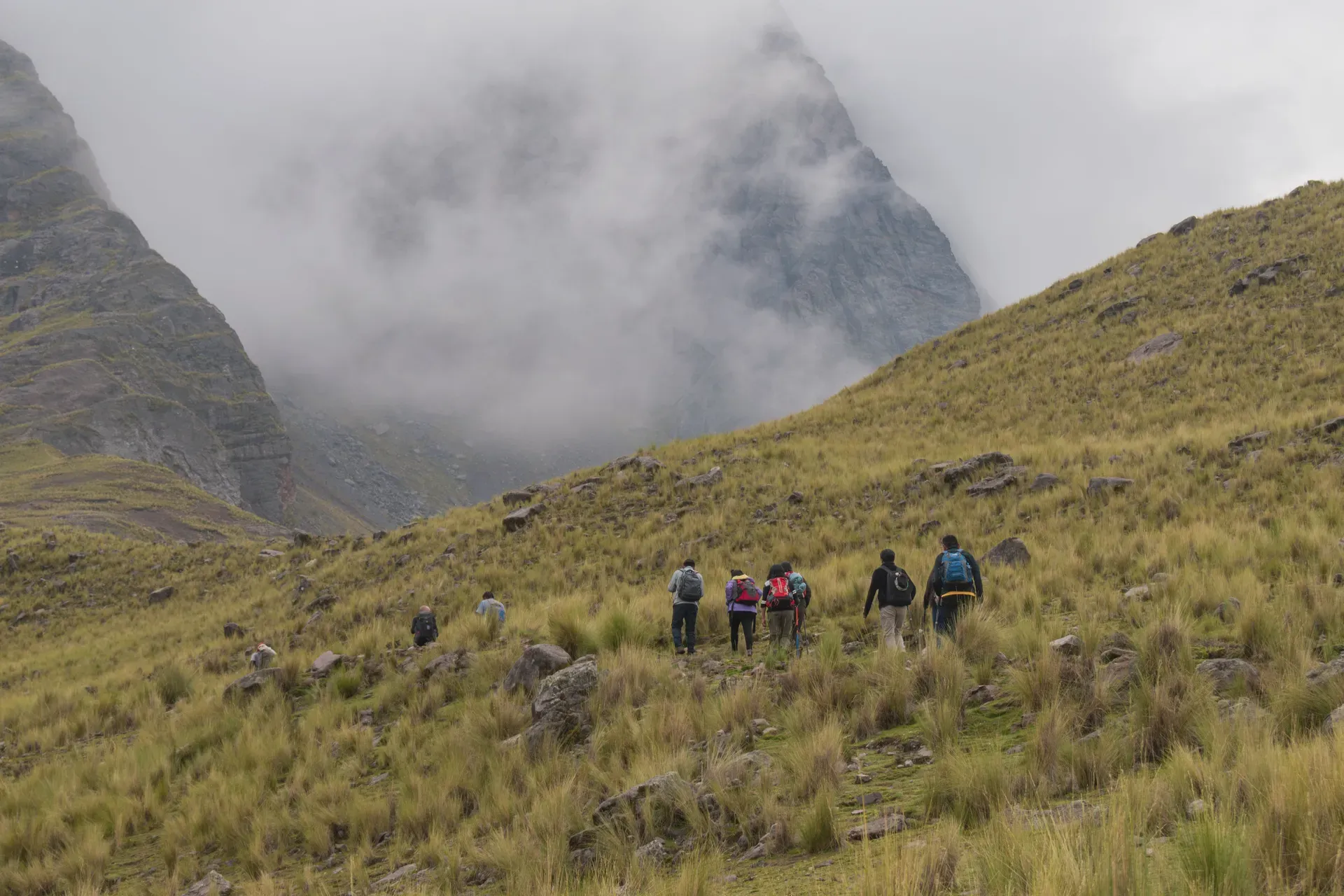
Explore the stunning Andes mountains on a Salkantay Trek to Machu Picchu, with options ranging from 2-day hikes to 5-day glamping adventures. Experience diverse ecosystems, from high-altitude glaciers at Salkantay Pass to lush cloud forests, guided by local experts.
 Likely to Sell Out
 A five-day trek through diverse Andean landscapes, from glaciers to coffee farms, ending at Machu Picchu.
 Likely to Sell Out
 Hike the Salkantay trail to Machu Picchu, passing Humantay Lake and sleeping in glass igloos under the stars.
 Likely to Sell Out
 Traverse the Salkantay Trek to Machu Picchu, staying in unique glass cabanas while exploring diverse Andean landscapes.
 Likely to Sell Out
 Hike the Salkantay trail to Machu Picchu with lodge stays, visiting Humantay Lake and the high Andean pass.

A rugged high-altitude trek through the Andes to Machu Picchu, offering a remote alternative to the Inca Trail.

Trek 5 days to Machu Picchu via Humantay Lake, with Andean glamping and a panoramic Vistadome train return.

A 4-day trek through the Andes and cloud forest to Machu Picchu with glamping, local food, and a train return.

Hike to Humantay Lake and cross the Salkantay Pass on this two-day trek with an overnight stay in glass domes.

A rugged 4-day trek past glacial lakes and snow-capped peaks to a secret view of Machu Picchu from Llactapata.
 Likely to Sell Out
 Trek through the rugged Ausangate mountains and across ancient Inca trails to the citadel of Machu Picchu.
Read what travelers share about their experience visiting Salkantay Trek — from practical tips to personal highlights.
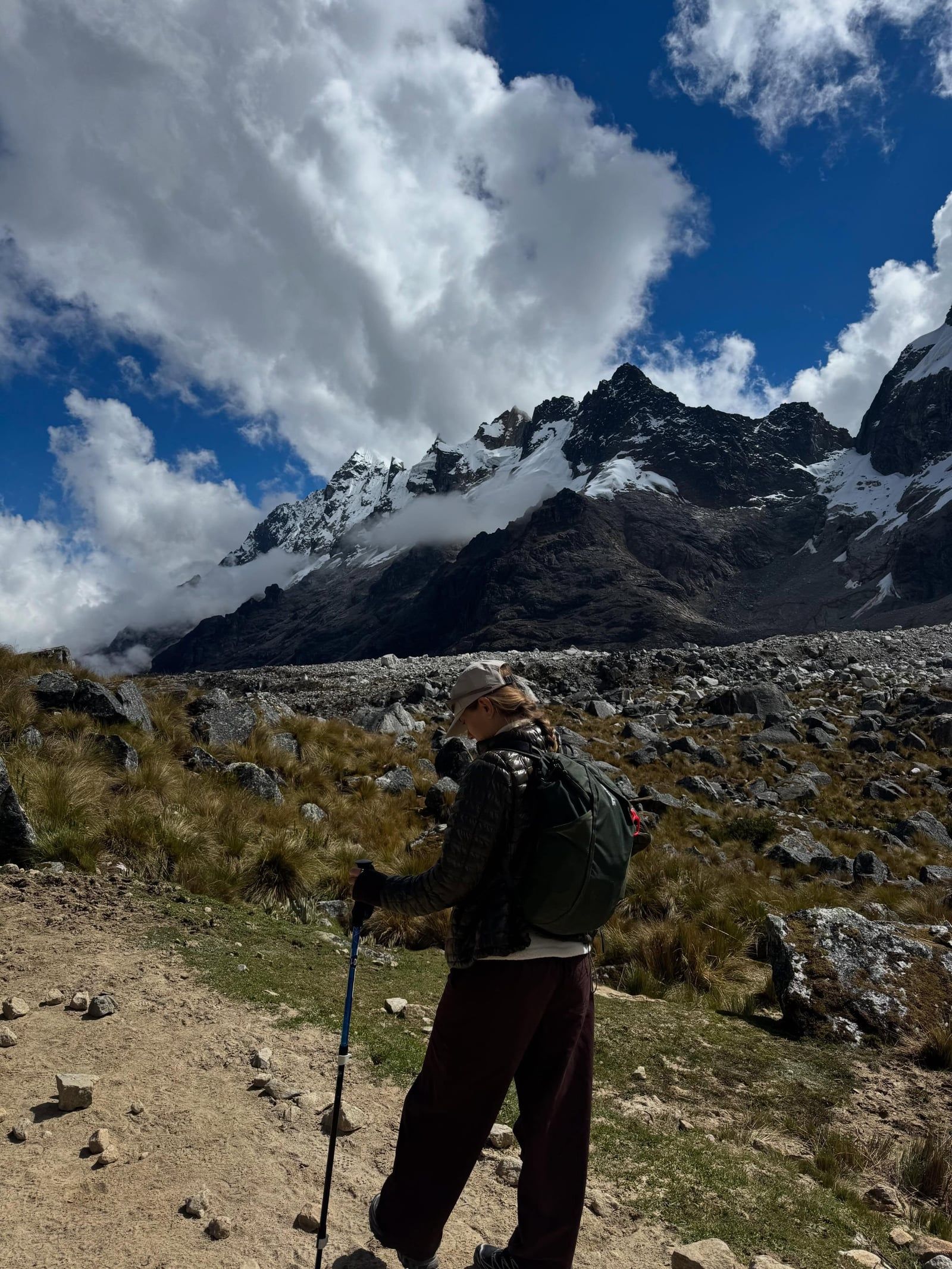
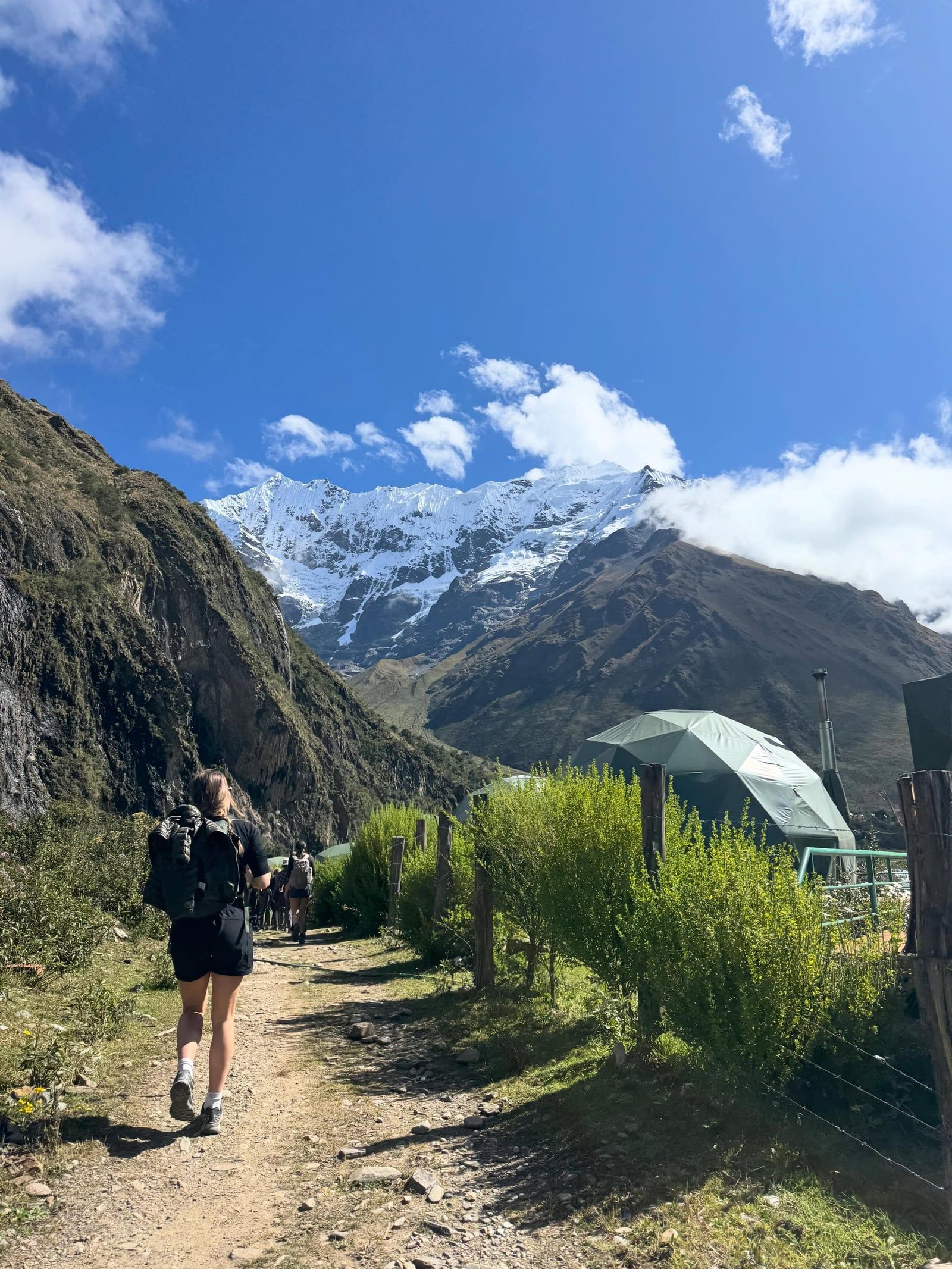
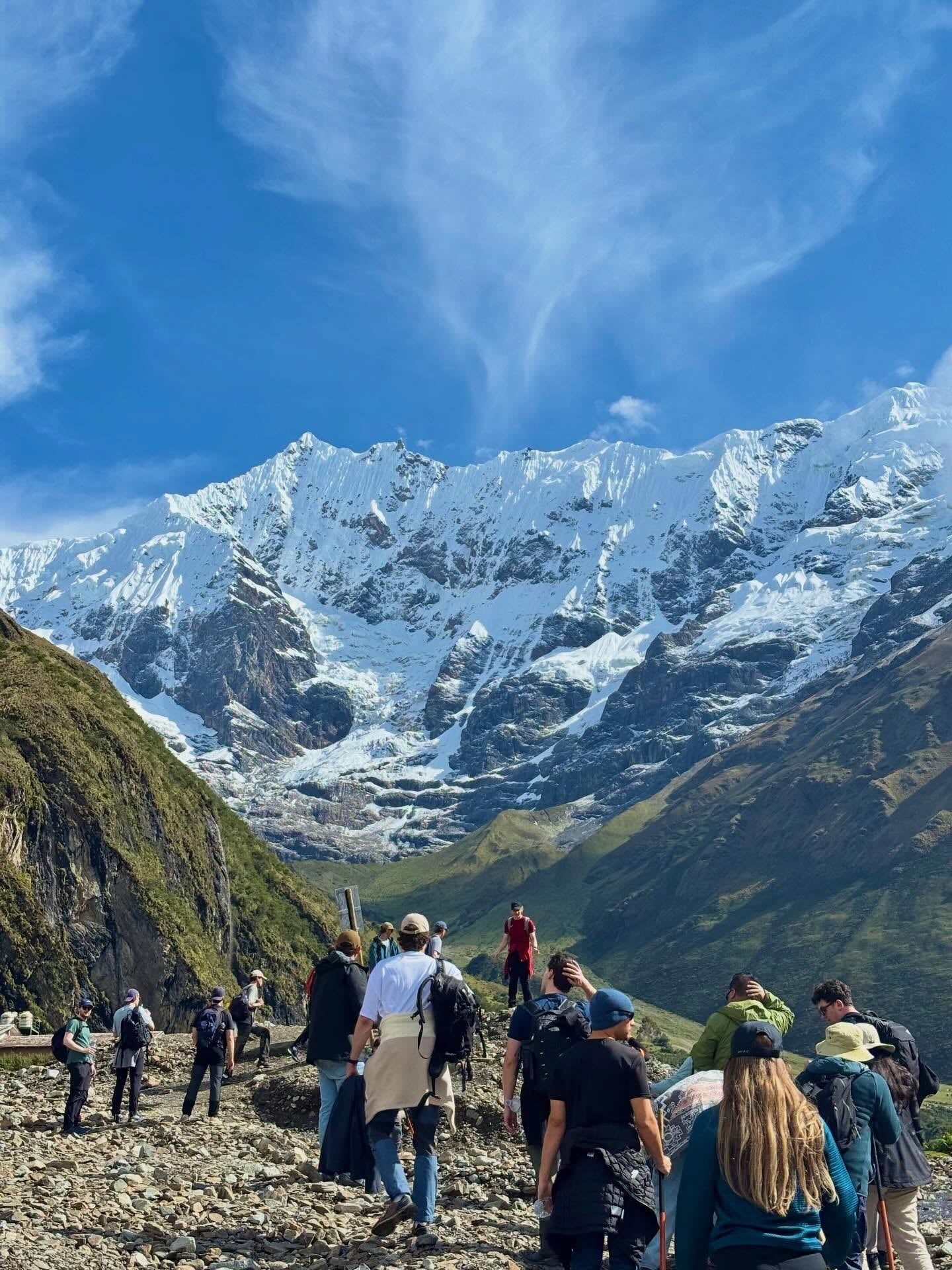
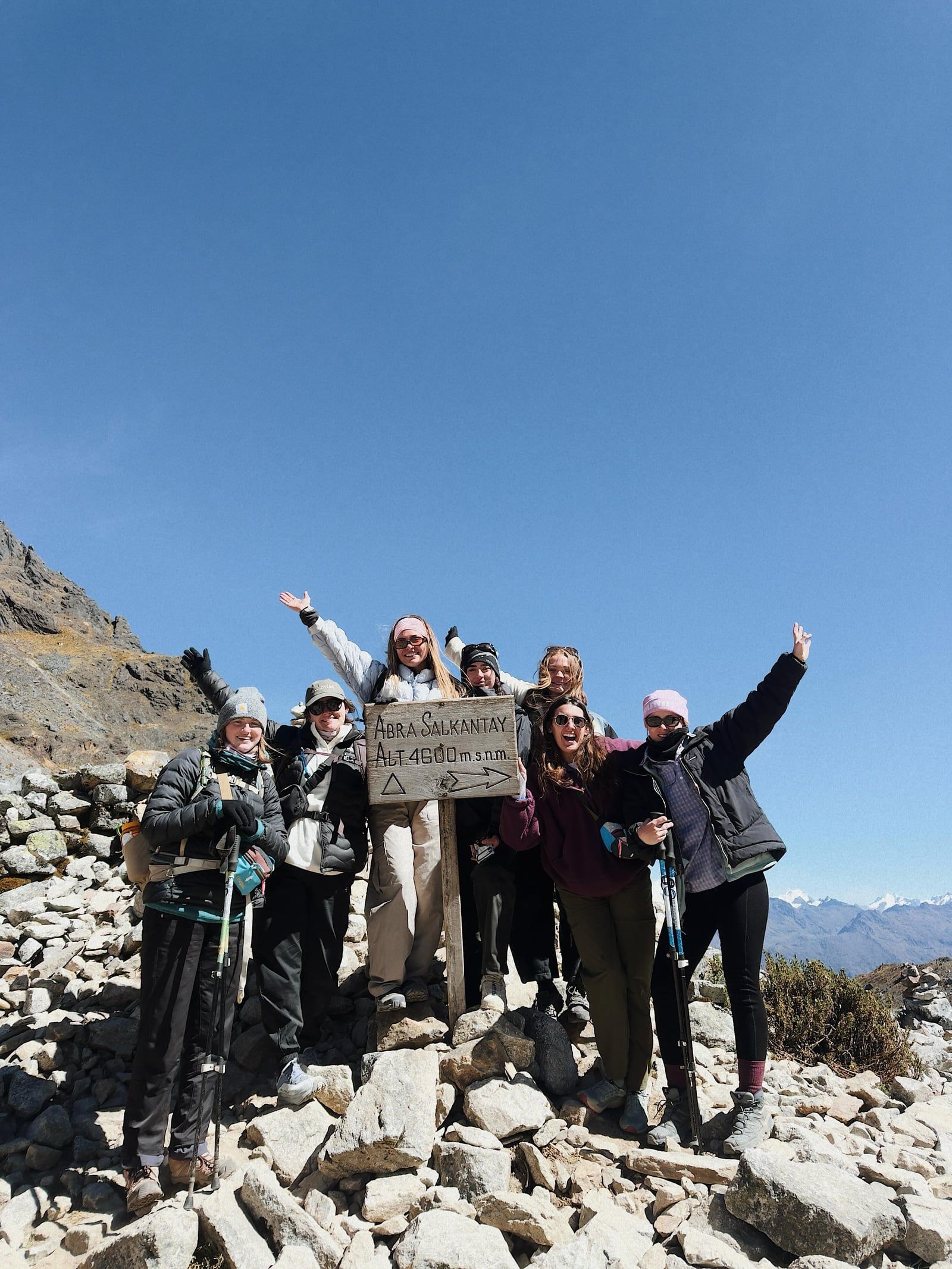
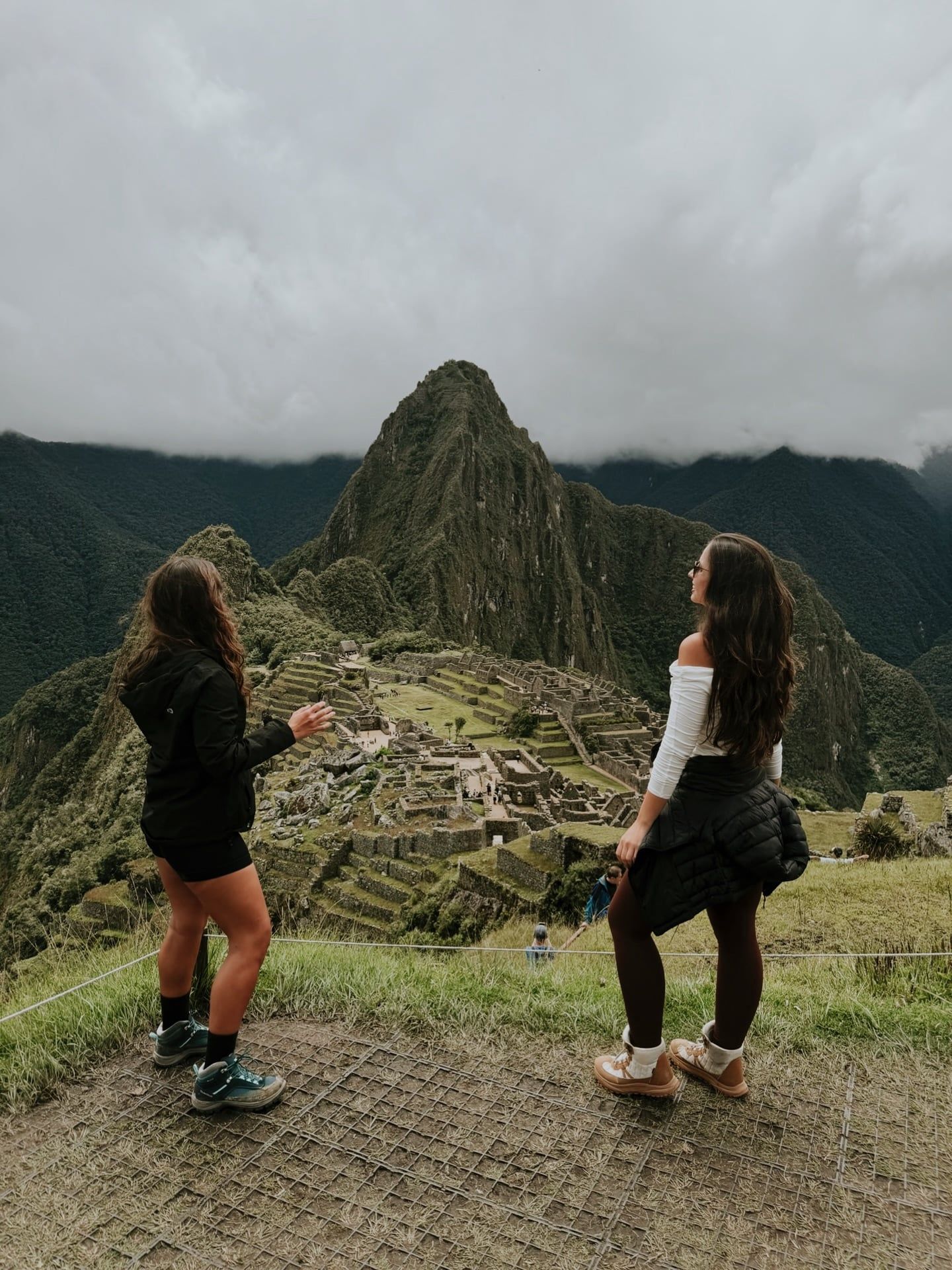
The Salkantay Trek is a spectacular, rugged alternative to the classic Inca Trail, taking you through incredibly diverse ecosystems over several days. You will start in the freezing high-altitude Andean glaciers and slowly descend into the warm, lush tropical cloud forests before finally reaching Machu Picchu.
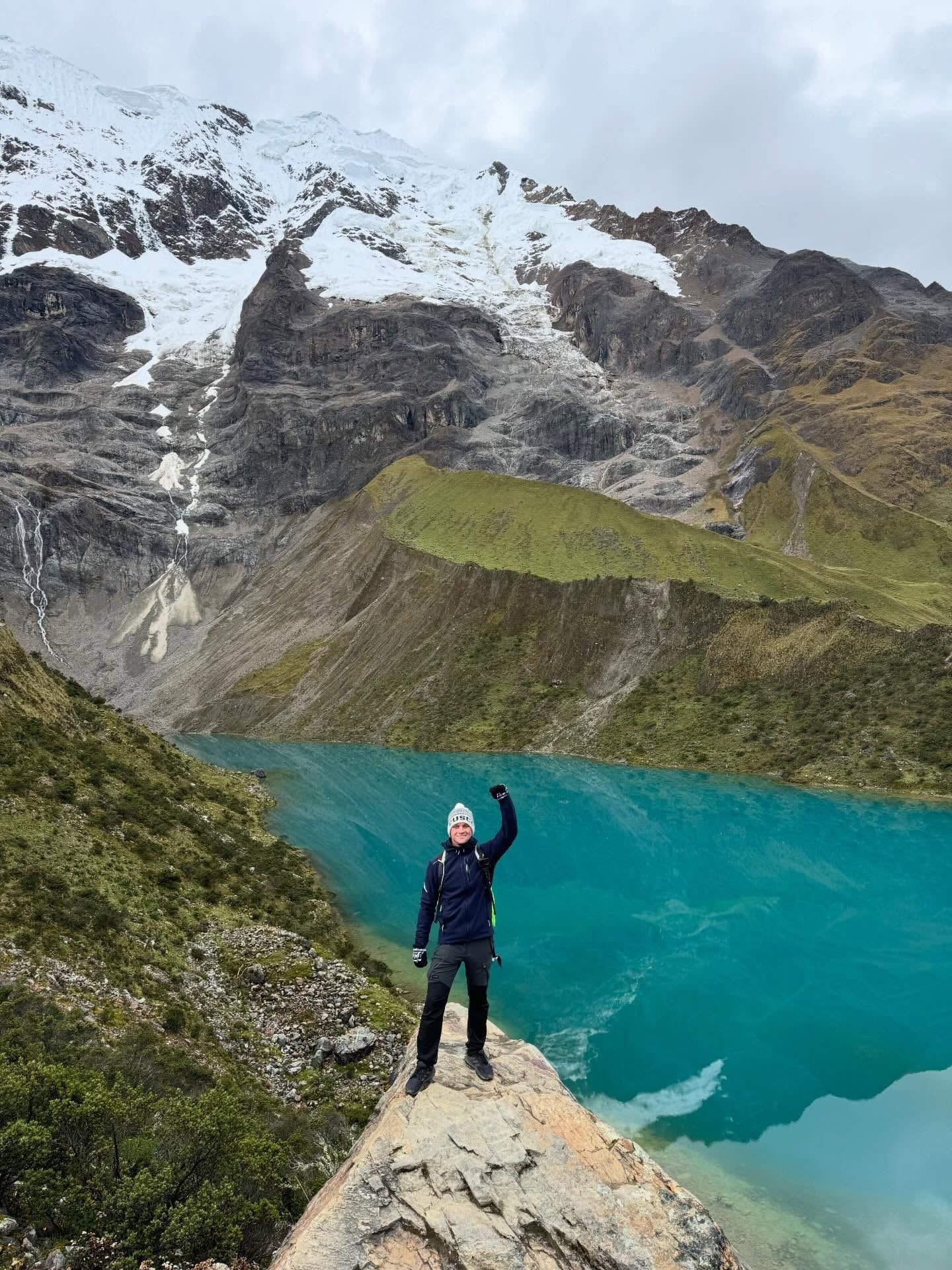
On the first day, hikers tackle a steep ascent to this breathtaking turquoise glacial lagoon. Sitting at the base of Humantay Mountain, it is the perfect spot to rest and take photos of the emerald waters.
The physical peak of the trek sits at 4,630 meters (15,190 feet) above sea level. Standing right beneath the massive Salkantay glacier, you will get panoramic views of the rugged Vilcabamba mountain range.
After crossing the freezing alpine pass, the trail drops 1,500 meters into a subtropical jungle. The landscape completely transforms, surrounding you with misty air, lush vegetation, and diverse wildlife.
This unique, uncrowded archaeological site offers trekkers their first distant glimpse of Machu Picchu across the valley. It is a peaceful spot to learn about Inca history away from the heavy tourist crowds.
The lower elevations take you through organic coffee and cacao plantations. Many tours include a stop at the Cocalmayo thermal pools near Santa Teresa, where you can soak tired muscles for a small fee.
The grand finale of the trek involves a hike alongside the Urubamba River to Aguas Calientes, followed by an early morning entry to explore the world-famous stone temples and terraces of Machu Picchu.
Planning a Salkantay Trek requires careful preparation due to the high altitude, physical demands, and strict ticketing for Machu Picchu. Here is what you need to know before you book your tour.
You can choose between the classic 5-day trek, a condensed 4-day version, or a quick 2-day hike focusing just on the mountain pass. Accommodations range from basic camping to premium glamping in glass domes and 3-star hotels in Aguas Calientes.
While the Salkantay trail itself does not require a permit, Machu Picchu entrance tickets sell out months in advance. Tour operators strongly recommend booking your trek at least 5 months ahead to secure your preferred circuit at the citadel.
Most guided tours include hotel pickups, meals prepared by trail chefs, camping equipment, a duffel bag allowance for mules (usually 5 to 7 kg), and entry to Machu Picchu. Return train tickets to Cusco are usually included, but budget tours might use a cheaper, longer bus route.
This is a highly demanding trek with steep climbs up to 4,630 meters and daily walking distances of up to 22 kilometers. You must be in excellent physical shape, and it is crucial to spend at least 2 to 3 days in Cusco beforehand to acclimate to the altitude.
Many tour agencies do not permit children under 12 to 14 years old to join the trek due to the extreme altitudes and physical strain. Older adults are welcome but are strongly advised to get a medical consultation before attempting the hike.
You will not have to carry all your gear. Tours provide a personal duffel bag for up to 5-7 kg of your belongings, which are carried by horses or mules between campsites. You only need to carry a daypack with water, snacks, and layers.
Because tour operators must pre-purchase non-refundable train and Machu Picchu tickets in your name, almost all Salkantay Trek tours have a strict 'all sales are final' policy. You will generally not receive a refund if you cancel.
| Classic 5-Day Trek | Short 4-Day Trek | Premium Glamping Trek | 2-Day Humantay & Pass | |
|---|---|---|---|---|
| Duration | 5 Days | 4 Days | 5 Days | 2 Days |
| Best For | Most travelers and nature lovers | Travelers with limited time | Comfort seekers wanting luxury | Quick alpine views without the jungle |
| Accommodation | Camping / Sky Domes & 3-Star Hotel | Sky Camp & Hotel | Glass Cabañas & Superior Hotel | Sky Camp |
| Price Range | $290 - $760 | $590 - $777 | $1,270+ | ~$380 |
The Salkantay trail itself is open 24/7 and does not have strict gate hours, but tour logistics dictate early schedules. Trailhead departures typically start between 4:00 AM and 5:00 AM with pickups from your Cusco hotel.
Machu Picchu Entry: Your trek will culminate at Machu Picchu, where entry times generally range from 6:00 AM to 8:00 AM to catch the sunrise. If your tour includes a hike up Huayna Picchu or Machu Picchu Mountain, those specific entry windows usually fall between 7:00 AM and 10:00 AM.
The trek starts about 100 kilometers from Cusco. Tours usually handle all transport, but if traveling independently, you can take a shared colectivo from Cusco to Mollepata (around 20 soles, 3.5 hours), then a local taxi to the Challacancha trailhead (about 80 soles per car).
Returning to Cusco: After visiting Machu Picchu, you have two main options. The comfortable route is a train from Aguas Calientes to Ollantaytambo ($70 to $90 USD, 1.5 hours), followed by a bus to Cusco. The budget route involves walking 10km to Hidroelectrica and taking a 7-8 hour bus ride ($5 USD) along winding, poorly maintained cliffside roads.
The absolute best time to hike the Salkantay Trek is during the dry season, from May to October. During these months, you can expect predictable weather, clear blue skies, and minimal rainfall, offering the safest trail conditions and the best mountain views.
You should generally avoid the rainy season from November to April. Heavy rains can obscure the scenery, make the steep rocky descents incredibly slippery, and trigger dangerous landslides that can occasionally make the trails entirely impassable.
Due to extremely rugged, steep, and rocky mountain terrain, the Salkantay Trek is not wheelchair accessible. It requires a high level of physical fitness and mobility to navigate the daily distances and high-altitude passes.
Older adults should consult a doctor before attempting the hike due to the severe cardiovascular strain of hiking at 4,630 meters. For those who struggle on the trail, emergency horses or mules can often be hired to help cross the highest passes. At Machu Picchu, wheelchair users can access a few specific viewpoints using specialized manual track wheelchairs with assistance.
Permits: You do not need a permit to hike the Salkantay trail itself, but you must have a pre-booked entrance ticket for Machu Picchu. In 2026, the foreign adult fee is 152 soles plus an 11 soles conservation surcharge.
No, you do not need a special permit to hike the Salkantay route itself, unlike the classic Inca Trail. However, you do need an official entrance ticket to enter Machu Picchu at the end of the trek, which currently costs about $44 USD (163 soles) for a foreign adult.
The classic itinerary covers roughly 74 kilometers (about 46 miles) over 5 days. The longest and most difficult day of hiking is usually day two, which covers 22 kilometers as you cross the Salkantay Pass and descend into the cloud forest.
The highest elevation you will reach is the Salkantay Pass at 4,630 meters (15,190 feet) above sea level. You typically cross this pass on the second day of the trek, right beneath the glaciers of Salkantay Mountain.
Prices vary widely based on the level of comfort. A standard 5-day group tour costs between $550 and $695 USD, budget options can be as low as $290 to $350, and premium glamping tours with glass domes and superior hotels can cost over $1,270 USD.
Yes, altitude sickness is a significant risk because the trail reaches over 4,600 meters. Tour operators strongly advise spending at least 2 to 3 days in Cusco before your trek to acclimate, which drastically reduces the chances of severe headaches or nausea.
Yes, it is entirely possible to hike the Salkantay Trek independently. The trail is well-signposted, and there are local guesthouses and campsites along the way where you can buy food and pay for lodging.
While there is no strict government age limit, most tour agencies restrict children under 12 or 14 from participating due to the extreme physical demands. Older adults are allowed but are heavily advised to get medical clearance first.
During the first couple of days, bathrooms are very basic and rustic. However, if you book a premium tour, you may have access to hot showers at private campsites. By the time you reach Aguas Calientes, you will have standard hotel facilities.
Most tours include a return train ticket from Aguas Calientes to Ollantaytambo, which takes about 1.5 hours and is very comfortable. From there, a private van brings you back to your hotel in Cusco.
Drones are strictly banned at major tourist sites along the route, specifically Humantay Lake and the entire Machu Picchu sanctuary. You may be able to fly them in remote valley sections, but you must respect all local flight regulations.
Browse verified tours with free cancellation and instant confirmation.
Find Tours


This five-day trek follows the Salkantay trail, a high-altitude route to Machu Picchu that crosses through several distinct ecosystems. The journey begins with a hike to Humantay Lake and a climb over the Salkantay Pass. As you descend from the snow-capped peaks, the landscape transitions into the cloud forest, where you will walk along a preserved section of the original Inca Path. The itinerary includes three nights in mountain-based accommodations and a visit to an organic coffee farm in the jungle valleys. Traveling in a small group, you will experience the remote terrain of the Andes before arriving at the UNESCO World Heritage site of Machu Picchu for a final tour of the ruins.
All sales are final. No refund is available for cancellations.
English, Spanish


This four-day trek crosses the Salkantay Pass to reach Machu Picchu, transitioning from high-altitude glaciers to the dense vegetation of the Cloud Forest. Along the way, the route stops at Humantay Lake and follows mountain trails through the heart of the Andean range. Groups are limited to 12 travelers to ensure a steady pace and better access to the guide. The itinerary includes a night at Sky Camp, where you sleep in glass-domed igloos positioned for stargazing. All meals, lodging, and required entrance fees are included in the price.
All sales are final. No refund is available for cancellations.
English, Spanish


This trek crosses the high-altitude passes of the glaciated Salkantay Mountain before descending through a series of changing ecosystems. Unlike more crowded trails, this route offers wide-open Andean landscapes as you make your way toward Machu Picchu. The experience includes stays in unique glass cabanas and 'Hobbit Houses' featuring outdoor jacuzzis. You will be accompanied by local indigenous guides and provided with gourmet meals throughout the trip. The itinerary also features a stop at a coffee farm to learn about local production. The route leads directly into Aguas Calientes, the town at the base of the mountains. Your final day is dedicated to a full visit of the Machu Picchu ruins.
All sales are final. No refund is available for cancellations.
English, Spanish


This trek follows the Salkantay route through the heart of the Peruvian Andes, eventually reaching the citadel of Machu Picchu. The journey begins with a climb to the turquoise Humantay Lake before crossing the Salkantay Pass, the highest point of the trail. The path transitions from rugged mountain peaks down into lush cloud forests. Unlike traditional camping treks, this route utilizes a series of mountain lodges. These accommodations offer private facilities, comfortable beds, and full meal service. Traveling in small groups ensures a more personal experience and allows the guides to manage all logistics, from luggage transport to site entries, throughout the multi-day hike.
All sales are final. No refund is available for cancellations.
English, Spanish


The Salkantay Trek provides a challenging alternative to the traditional Inca Trail, leading hikers through the high-altitude passes and tropical cloud forests of the Vilcabamba mountain range. This route is defined by its diverse terrain, moving from the base of the massive Salkantay glacier down into the lush vegetation of the high jungle. Due to its more remote and demanding nature, the trail sees far less foot traffic than the classic routes. This lack of crowds offers a quieter, more isolated experience of the Peruvian wilderness. The trek concludes at Machu Picchu, following paths that the Incas historically regarded as sacred ground.
All sales are final. No refund is available for cancellations.
English, Spanish


This five-day Salkantay trek travels from the high Andes down into the cloud forest before arriving at Machu Picchu. The route passes the turquoise waters of Humantay Lake and crosses rugged mountain passes before reaching local coffee farms and the Llactapata ruins. At Llactapata, you will camp with a direct view of the Machu Picchu citadel across the valley. The experience includes a traditional Pachamanca meal and stays in a variety of accommodations, including glamping tents, Andean huts, and a 3-star hotel. For the return trip, you will travel on the Vistadome train, which features panoramic windows. This tour is run by a local Cusco operator, includes free airport transfers, and contributes to regional social projects.
All sales are final. No refund is available for cancellations.
English, Spanish


This four-day trek begins with a hike to the turquoise waters of Humantay Lake before ascending the Salkantay Pass. From the high-altitude glaciers, the trail descends into the warmer climate of the cloud forest. You will travel in small groups led by local guides, navigating a quieter alternative to the traditional Inca Trail that showcases the diverse landscapes of the Vilcabamba mountain range. Accommodations include private campsites like the Salka Glamp tents at the base of the mountain and cozy Andean huts, with the final night spent in a 3-star hotel in Aguas Calientes. Along the way, the group shares a traditional Pachamanca meal cooked underground and visits an organic coffee farm in Lucmabamba to learn about local production. The journey ends with a guided tour of Machu Picchu and a return trip to Cusco on the Vistadome panoramic train. This trek is designed to support local families and community projects through sustainable tourism practices.
All sales are final. No refund is available for cancellations.
English, Spanish


This two-day trek covers two of the most famous landmarks in the Cusco region: Humantay Lake and the Salkantay Pass. On the first day, you will hike to the turquoise waters of Humantay Lake before continuing to our Sky Camp. You will spend the night in glass-roofed domes designed for stargazing at the foot of the glacier. The second day focuses on the climb to the Salkantay Pass, the highest point of the route. From this vantage point, you have a clear view of the Salkantay and Humantay peaks. Throughout the journey, guides provide insight into Andean culture and the spiritual significance of the mountains, traditionally known as Apus.
If you cancel at least 6 full day(s) before the scheduled departure time, you will receive a full refund.<br>If you cancel between 2 and 6 day(s) before the scheduled departure time, you will receive a 50% refund.<br>If you cancel within 2 day(s) of the scheduled departure, you will receive a 0% refund.
English, Spanish


This four-day trek offers a more challenging and remote alternative to the traditional Inca Trail. The route climbs through the high Andes, passing directly beneath the snow-capped peaks of Humantay and Salkantay. Along the way, you will visit two high-altitude glacial lakes and observe the changing ecosystems of the region, from rugged mountain passes to lush cloud forests. To ensure a quieter experience, the itinerary follows a specific path that avoids the larger crowds. You will stay at private, secluded campsites far from the standard trekking groups. One of the highlights is the ascent to the ruins of Llactapata, an ancient site that provides a rare, direct perspective of the Machu Picchu citadel from across the valley before you arrive at the sanctuary itself.
If you cancel at least 6 full day(s) before the scheduled departure time, you will receive a full refund.<br>If you cancel between 2 and 6 day(s) before the scheduled departure time, you will receive a 50% refund.<br>If you cancel within 2 day(s) of the scheduled departure, you will receive a 0% refund.
English, Spanish


This route combines a high-altitude trek through the Ausangate mountain range with a journey along traditional Inca pathways. The first leg of the trip focuses on the demanding terrain of the southern Andes, crossing steep mountain passes and passing glacial lakes in one of Peru's most remote wilderness areas. After navigating the peaks, the trail connects to the historical stone paths used by the Incas. You will walk through changing landscapes and visit local mountain communities before arriving at the ruins of Machu Picchu. This trek is designed for those who want to see the physical diversity of the Andean highlands while visiting the region's most significant archaeological sites.
All sales are final. No refund is available for cancellations.
English, Spanish